Faces of Recuperation
Situationist International #1 (June 1969)
THE IDEAS OF the ruling class are in every epoch the ruling ideas: the class which is the material force of society is at the same time the ruling intellectual force.
If we detach the ideas of the ruling class itself and attribute to them an independent existence, without bothering about the conditions of production and the porducers of these ideas, we can say, for instance, that the domination of the aristocracy was really the domination of the concepts honor, loyalty; the domination of the bourgeoisie was really that of the concepts freedom, equality. The ruling class itself on the whole imagines this to be so. This conception of history, which is common to all historians, particularly since the 18th century, necessarily comes up against the phenomenon that the more abstract the ideas (that is, the more universal their form), the more they hold sway.
Once the ruling ideas have been separated from the ruling individuals, and, above all, from the relationships which result from a given stage of the mode of production and in this way the conclusion has been reached that history is always under the sway of ideas, it is very easy to abstract from these various ideas, "the idea," as the dominant force in history, and thus to understand all these separate ideas and concepts as "forms of self-determination" on the part of the concept developing in history. It follows then naturally, too, that all the relationships of men can be derived from the concept man, man as conceived, the essence of man, man. This has been done by the specualtive philosophers. Hegel himself confesses at the end of The Philosophy of History that he "has considered the progress of the concept only" and has represented in history "the true theodicy." Now one can go back again to the "producers of the concept," to the theoreticians, ideologists, and philosophers, and one comes to the conclusion that the philosophers, the thinkers as such, have at all times been dominant in history. History as dominated by ideas and those who "explain" or "produce" them.
This whole semblance, of the preeminence of thinkers, and of the rule of a certain class as only the rule of certain ideas, comes of course to a natural end as soon as society ceases at last to be organized in the form of class-rule, that is to say as soon as it is no longer necessary to represent a particular interest as general or "the general interest" as ruling.
The existence of revolutionary ideas in a particular period presupposes the existence of a revolutionary class. The function of theory is to always renew the struggle against the perverting influence of bourgeois though on the thought of the proletariat.
The Comedy of the Re-appearance of Economic Tragedy
Leninist theory explains as always that the negation of capitalist society is of economic necessity. The historical negation amounts to the realization of planned economy, through the correction of Bolshevik practice. The Leninist theoretical exclusion of the question of who plans in the planned economy (assuming that the true realization of planning represents the adequate condition for the realization of the individual) signals the continuation of the impoverishment of the individual, deflected by the appearances of economic equality and rationalized productivity.
Baran and Sweezy emerge years after their writings to provide the theoretical economic base of the contemporary leftish movement in the United States. Throughout their material they implicitly reduce the spectrum of socialist ideologies to historical variations on an evolving socialist model, and in which these ideologies will recover their essential unity at a future point in time. Their unification of an appearance becomes thoroughly transparent as the socialist countries continuously reveal themselves as familiar regulators of social control. In this light, socialist theory justifies manipulation and coercion through scientific (quantitative) analysis. It is the illusory theoretical base of the illusory alternative.
In Monopoly Capital, Baran and Sweezy argue that the contradictions of capitalism are with us still, but that they have been modified since their original expression; that is, the capitalist epoch had proven capable of more productivity than anticipated; and yet, profit oriented production creates economic stagnation: limited market outlets cause underconsumption (waste of products) and unemployment (waste of labor) and underutilization of machinery. The essential modifications of capitalism manifest themselves in imperialist war, racism, domestic and foreign exploitation, bad housing, moral despair, sexual repression, poverty, poor education, and so on and so on. The means of the critique suggest its ends. Baran and Sweezy approach the problem of capitalism by dividing it into separate (separated) problems that are then arbitrarily linked to one another, an approach compatible with the solution they seek, which is a series of reforms. To say that the capitalist system has been kept alive by 'stimuli' is to imply that it can always be kept alive by 'stimuli.' They forget their own active historical role as 'stimuli.'
There is thus no mystery about the performance of the United States economy in the postwar period. With the aftermath boom triggering a great upheaval in the living patterns of tens of millions of people, and with arms spending growing nearly fivefold — from $11.4 billion in 1947 to $55.2 billion in 1963 — it is probably safe to say that never since the height of the railroad epoch has the American economy been subject in peacetime to such powerful stimuli! What is really remarkable is that despite the strength and persistence of these stimuli, that familiar symptoms of inadequate surplus absorption — unemployemt and underutilization of capacity — began to appear at an early stage, and apart from cyclical fluctuations, have been gradually growing more severe...
What needs to be added is that the unemployment situation... was considerably worse than the figures indicate...
The problem, as they put it, is that in advanced capitalism the forces of production — men, techniques and machines — are blocked from total utilization. They are constantly being unemployed. Baran and Sweezy reduce the problem of alienation of the practice of rationalization (which is the full use or the full absorption, of the social product).
Their critique of the quality of life emerges because they can demonstrate only dangerous times for the bourgeoisie on economic grounds. So they tell us that the "sexual excess," like the economic excess, can only be adequately absorbed (sublimated) on a rational basis in socialist society. Nowhere does the individual, or even the worker for that matter, enter the critique, for the very reason that he does not play a central role in their revolutionary model. So-called Marxian science sustains the notion that the negation of capitalism is a given one (the socialist model). By rendering the problem and the solution scientifically (quantitatively) they suggest the necessity and inevitability of expertise, that is, authority.
As Leninists, Baran and Sweezy can do nothing more than quantify, that is, mystify things. For they begin and end withthe position that the revolutionary project is merely to accelerate the evolving quantitative processes of history. Leninism is the separation of quantity and quality on a permanent basis, in which an endless stream of party specialists redistribute production on behalf of the producers. Qualitative change is exiled to a distant future.
Baran and Sweezy confine the proletariat to a condition of 'morla despair' that permits of clinical (quantifiable) solutions. Beyond what they (and the rest of the social scientists) cannot quantify is that which belongs to the human imagination and a future objective-subjective reality whose material foundations and mere beginnings will be the unmediated, autonomous production of all aspects of life by the producers.
Authentic proletarian autonomy is not simply the adequate negation of hierarchy (though even proletarian autonomy is a possibility which the Leninists refuse to consider essential) but the free play of the individual himself, whose only remaining relation to the necessity of his labor is that he devises th appropriate conditions for its elimination.
(Ernst Mandel, Belgian Marxian economist, soon to be published in three volumes by Sweezy's Monthly Review, argues the impossibility of workers' control, in view of the failure of the Yugoslavian experiment.
In order to absorb class tensions, the Yugoslavian experiment with workers councils was administered by the state bureaucracy and passively established within the local factories. This technique restricts the worker to the factory place and immediately parcellizes the concept of worker autonomy to one aspect of life, when in fact the council form is effectuated at the historic point where it determines all of its aspects. Bolshevik centralization or decentralization are anodynes for the proletariat playing the central, that is, unmediated role in decision, execution, and production. What the problem is for the proletariat — to become conscious of apparent solutions — is not the problem for Mandel at all.)
Above all, Monopoly Capital merely demonstrates the alienation of the industrial capitalist economy from itself. Baran's Political Economy of Growth strengthens this minimal argument by taking great pain and length to demonstrate U.S. domination of underdeveloped countries. The purely objective (so-called unbiased) character of this economics becomes explicit when Baran defends the oppressiveness of Bolshevik industrialization:
The 'revolution from above' that consolidated the socialist order in Russia and that marked the actual beginning of comprehensive socialist planning led to a sharp deterioration in the immediate economic situation, to a grevous disruption of the normal flow of agricultural (and consumer's goods) production, and caused a painful drop in the standard of living. In this it was very much like most revolutionary breaks in history. Yet while the illness that it provoked was acute and painful, it was manifestly an illness of growth: it reached its crisis with enormous speed and yielded to convalescence in a few years. By the end of the First Five Year Plan the worst 'squeezing' of the consumer was over, by 1935 rationing could be abolished. . .
What the experience of the Soviet Union and other socialist countries clearly demonstrates is that the actual economic surplus need not be maximized in order to secure tremendously high rates of investments and economic expansion. These are fully compatible with a consistent and sizable rise of people's standard of living. They are possible on the condition of a correct allocation and rational utilization of such economic surplus as is made available for productive investment. While the former has to be governed by the long-term requirements of economic growth rather than by the desire for immediate rapid increases of consumable output, the latter consists of maximal exploitation of all available capital...
When consumer trends, capital accumulation, heavy industrial equipment build-up, and size of GNP serve as central criteria, concomitant elements of social coercion can be excluded from the analysis of social progress, becoming in fact a separate problem, if a problem at all. Bourgeois and Marxian social science exclude the 'human variable' from a central position in the analysis at equal rate.
The individual continues to serve his life sentence in the realm of chance, again sacrificed to the realization of historical necessity.
It appears that History allows the individual a single choice: to be strangled to death in the hands of the bourgeoisie or in the hands of the Leninists. The Leninsit "negation" of bourgeois society is the instrument of its perpetuation.
Baran and Sweezy in effect merely elaborate the core of Leninist-Stalinist theory: revolutionary change in the advanced capitalist countries is not an immediate possibility; at the stage of monopoly capital, the underdeveloped countries suffer the former agonies and express the former antagonism of the proletariat in the advanced countries (this proletariat now shares in the tendencies of bourgeois consciousness, temporarily); the emergence of socialist competition on the market along with immanent third world revolt eventually closes outlets for profits; so the cataclysmic depression is stimulated through the explosion of the external contradictions; in the meantime, socialist development must be protected at all costs; this means that the Leninist movements in the capitalist countries must not aggravate the contradictions that could stimulate reaction, even invasion of the Soviet Union. Add Cuba, China, Korea, Vietnam to the list and you have Baran and Sweezy.
In addition, these movements must by necessity, form temporary progressive alliances with progressive elements of the bourgeoisie (united fronts), assuming the temporary postures of reform movements. From beginnings to present, the Leninist movements have sustained their reformist postures. Leninism is the permanent transition; the caustic style of reform.
As it has worked out historically, the restriction of the negation of capitalism to the transformation of a society based on exchange value into one based on use value prolongs the existence of man as commodity. The restricted negation prolongs the alienation of the individual, compelled to develop through the power of others. As the cadre of the Welfare State, Baran and Sweezy invert, at all costs, the irreducible essence of critical thought which is to seek the realization of the concrete situation in which the divisions of the old world cease to be.
In the meantime, house servants remain temporarily in left-over "state bourgeois" homes in Peking; Russian industry remains temporarily motivated by profit and wage incentives; professionals, bourgeois, and so on, temporarily consume rare dishes of pork in restaurants well concealed from the pork loving Cuban people.
Capitalist society is sustained by the emergence of the Leninist enterprise. Can we wait till Monthly Review dies its natural death?
A Doctor of Speculation
Who is Marcuse? What is he? that all opposition adores him?
He tells us in One Dimensional Man that the bourgeoisie and the proletariat are still the basic classes in the capitalist world. But the former antagonists are now united in their interest to preserve and improve contemporary society. The proletariat has abdicated its historic role. Class struggle has come to an end in class society. Not only is the proletariat absorbed into bourgeois consciousness, but both classes, now practically one, no longer appear to be agents of historical transformation. The word appear as used by the doctor is curious: we are to assume the analysis of advanced industrial society to be based upon an appearance?
But havng disposed of the proletariat, he waxes sad, toward the end of the book, about even the most acute consciousness which is powerless when deprived of the material force for the transformation of life. Since revolutionary consciousness is impossible without a revolutionary class, we take the acute consciousness to be something other than revolutionary (bourgeois no doubt).
When he says that "the dialectical concept pronounces its own hopelessness," he crowns his mystifications. He has set from the start the condition for his own hopelessness, which is then transferred into the hopelessness of the dialectical conception, and, more largely, the hopelessness of the historical project of liberation. After that when he makes statements that tend to clarify the real relationships in 'advanced capitalist society,' the statements clarify not the necessity to supersede that society, but to reinforce the general hopelessness, and as such the statements become reasons for adjusting to the prevailing reality.
Deprived of a class to end class society, a 'demonstrable agent for historical change,' Marcuse seeks the realization (the emergence of the potential) of bourgeois society not through a supression of its conditions, but by an intensification of the prevailing process. It is not that the system should be other — but that it should be more what it already is. In this he joins Max Weber, who saw bureaucracy emerge to rationalize (Marcuse's word is: pacify) existence.
He delineates his alternative to bourgeois irrationality in One Dimensional Man:
Paradoxically, it seems that it is not the notion of the new societal institutions which presents the greatest difficulty in the attempt to answer this question. The established societies themselves are changing, or have already changed the basic institutions in the direction of increased planning. Since the development and utilization of all available resources for the universal satisfaction of vital needs is the prerequisite of pacification, it is incompatible with the prevalence of particular interests which stand in the way of attaining this goal. Qualitative change is conditional upon planning for the whole against these interests, and a free and rational society can emerge only on this basis.
The institutions within which pacification can be envisaged thus defy the traditional classification into authoritarian and democratic, centralized and liberal administration. Today the opposition to central planning in the name of a liberal democracy which is denied in reality serves as an ideological prop for repressive interests. The goal of authentic self-determination by the individuals depends on effective social control over the production and distribution of the necessities (in terms of the achieved level of culture, material and intellectual).
Here, technological rationality, stripped of its exploitative features, is the sole standard and guide in planning and developing the available resources for all. Self-determination in the production and distribution of vital goods and services would be wasteful. The job is a technical one, and as a truly technical job, it makes for the reduction of physical and mental toil. In this realm, centralized control is rational if it establishes the preconditions the preconditions for meaningful self-determination. The latter can then become effective in its own realm — in the decisions which involve the production and distribution of the economic surplus, and in the individual existence.
In any case, the combination of centralized authority and direct democracy is subject to infinite variations...
The individuals whose "authentic self-determination depends on effective social control" are the same individuals "whose particular interests are incompatible with qualitative change." It is the bourgeois order rationalized (pacified), by a centrally controlling technological rationality (why not like Max Weber use the word bureaucracy here?), leaving the individuals to toy "effectively" at the fringes with their individual lives and economic surplus...
Here then is a program for a social democracy, complete with planners at the top — technocrats or bureaucrats — who are good enough to allow the individual to decide over the secondary: his individual life as surplus.
He warns (elsewhere in his book) about technological fetishism — and then proceeds to advocate it in what he wants somebody to believe is the "chance of the alternatives." If he knows, he does not understand that every advance in technological knowledge is an advance in technological knowledge is an advance int he spectacularization of existence, in slavery: not because knowledge is slavery, but because the ruling strata — bourgeois or bureaucratic, and bureasucratic after bourgeois — can only use knowledge to that end. The liberatory potential of capitalism — removing men from the realm of their total submission to nature — turns into its opposite.
The technocrats are closer than he seems to think. "Every hour of every day the Sectretary is confronted by a conflict between the national interest and the parochial interest of perticular industries, individual services and local areas. He cannot avoid controversy in the whole range of issues which dominate the headlines if he is to place the interests of the many above the interests of the few, and yet it is the national interest, above all, which he has sworn to serve" (The Essence of Security, R.S. McNamara). (McNamara's own statement expresses a contradiction. The 'national interest' is the interest of the ruling class (the few, the parochial interest); but he identifies it here with the interests of the many, as best suits the ideology of a bureaucratically controlled state. This contradiction is the condition of existence of the bureaucracy: it is the foundation of its dilemma, in which it discovers all of its moral, idealistic or whatever, crises. While it carries on the struggle, with state power, for the pacification — rationalization — of existence.)
Beneath the cloak of a doctor of speculation hides a social democrat (one who desires to introduce such institutional modifications as will allow capitalism to sustain itself).
Earlier — in Eros and Civilization — Marcuse had pointed to the assumption in the Freudian theory of the immutability of the struggle against want. The practical possibility of eliminating want obviated the Freudian apparatus as reflected upon an ontological essence of man, and reintroduced it as a moment of thought connected to a moment of histroy. In the light of this discovery, the critical impact of Freudian theory bore heavily upon the repressive nature of bourgeois society. It was this which founded his attack on the revisionists of Freudian theory, in their need to demolish the critical content of the theory, for the benefit of the bourgeois order.
But Marcuse himself was on thin ice. In speaking of perversions, he noted that they "seem to be linked with the general perversion of the human existence in a repressive culture, but the perversions have an instinctual substance distinct from these forms; and this substance may well express itself in other forms compatible with normality in high civilization." The conditional hedging is more than the caution of a careful doctor of speculation: it suggests that Freud, after all, may have indeed uncovered something about the ontological essence of man.
It is questionable whether "timelessness is the ideal of pleasure," but he, affirming without the shade of seeming, employs the notion to reintroduce a "primary frustration" so that repression reenters to make "pleasure itself painful."
And he affirms that the elimination of alienated labor is impossible (forgetting for the nonce that alienated labor in bourgeois society reflects the 'struggle against want') so that he then recaptures the content of Freudian theory as ontological speculation. For the problem, really, is to minimize, attenuate, the more noxious traces of bourgeois domination — for a more rational, more pacified organization of survival, until death itself "like other necessities, can be made more rational — painless." So there it is.
On the level of the every day he is less circumlocuted:
I have never suggested or advocated or supported destroying the established universities and building new anti-institutions instead. I have always said that no matter how radical the demands of the students, and no matter how justified, they should be pressed within the existing universities and attained within the existing universities.
The university is the last bastion of freedom. It is not possible to do without an elite. The working-class needed for the social revolution he has in mind is the working-class needed to set up a new ruling strata. We can understand his desire for selective repressions — for he is not thinking of a revolution. He is thinking of the implementation of a social democratic program of reform within capitalism, and he is thinking of the retrograde opposition to that reform.
At the first skirmish in the streets he rediscovered intact his social democratic past, complete with "non-explosive evolution" and "progressive forms of repression."
The pessimism of his years of isolation permitted him to see that advanced industrial society, as he calls it, is of a piece, a unity founded on the parcellization of existence. But he didn't see it all that well. Rediscovering optimism (through no fault of his own) he rediscovered the fragmentary opposition of his past. Destroy the bourgeois university? Never! You dare, vandal! How can we participate in running it then?
The process of reification has not spared his imagination.
We note (from the same newspaper accounts) that he was impressed we wrote of inspired in France (May-June 1968) — All power to the imagination; Be realistic, demand the impossible. There was, among others, another which he never mentioned: Humanity will be happy the day the last bureaucrat is hanged with the guts of the last capitalist. As for doctors of speculation, they will also pass.
Meanwhile, a glib professor, but a social democrat also, is like a gold ring in a sow's nose.
This text, slightly abbreviated, under the title "The Recuperation of Marcuse,"
was distributed at an apparition of Marcuse on December 5, 1968, at a benefit
performance he gave for the Guardian (small melting-pot of ideology).
Con at Work
McLuhan emerged, and with a banality: man's techniques (technology) are extensions of himself.
He says: "The Gutenberg Galaxy develops a mosaic or field approach to its problems. Such a mosaic image of numerous data and quotations in evidence offers the only practical means of revealing casual operations in history." So we know from the start that as a good logician, McLuhan is going to show that the "numerous data and quotations in evidence" will be the effects.
"technological environments are not merely passive containers of people but are active processes that reshape people and other technologies alike." And so now we also know that the way men make their living penetrates all aspects of life; and that new methods for doing so "reshape" if not elimate older ways of doing so.
He knows this well enough to say that De Tocqueville knew "typographic literacy had not only produced the Cartesian outlook but also the special traits of American psychology and politics."
He also knows that money is the universal commodity, that all things are reducible to — and that money reduces and is the measure of all things — quantifiable relations. "Money is metaphor in the sense that it stores skill and lobor and also translates one skill into another."
That all becomes commodity:
"Typography is not a technology but is in itself a natural resource or staple, like cotton or timber or radio; and, like any staple, it shapes not only private sense ratios but also patterns of communal interdependence." Or, "Typography tended to alter language from a means of perception and exploration to a portable commodity."
His sloppy use of language aside, he runs into an unexamined difficulty here. In the beginning, he was going to show us the root cause (which the title already indicated was the Gutenberg galaxy): but now he is speaking of his galaxy (typography) as a raw material among others for the production of one commodity among others. He describes the capitalist mode of production, but locates it in typography, and nowhere is capitalism directly taken to task. It is only later that one discovers why.
He discovers the power of parcellization as the operational base of the bourgeoisie (parenthical clarifications added from here on):
"The Machiavellian mind and the merchant mind (both: bourgeois mind) are at one in their simple faith in the power of the segmental division to rule all — in the dichotomy of power and morals and of money and morals."
He discovers the universal extension of capitalism, which unifies space as its space: "If Lowenthal is right, we have spent much energy and fury in recent centuries in destroying oral culture by print technology (capitalism) so that the uniformly processed individuals of commercial (bourgeois) society can return to oral marginal spots as tourists and consumers, whether geographical or artistic."
He knows the assembly line quality of life: "All experience is segmental and must be processed sequentially."
". . . the twenthieth century has worked to free itself fromt he conditions of passivity, which is to say, from the Gutenberg (capitalist) heritage itself. . . . The new electric galaxy of events (basis for change in mode of production) has already moved deeply into the Gutenberg (capitalism). Even without collision, such co-existence of technologies (modes of production) and awareness brings trauma and tension to every living person. Our most ordinary and conventional attitudes seem suddenly twisted into gargoyles and grotesques. Familiar (bourgeois) institutions and associations seem at times menacing and malignant. These multiple transformations, which are the normal consequence of introducing new media (new productive means) into any society whatever, need special study and will be the subject of another volume on Understanding Media in the world of our time."
There is something in McLuhan for everybody: the vulgar Marxists and the political economists, the formal logicians of the mysteries of quantification and the con men. And the McLuhan con is well underway. After finding his cause in a 'raw material,' not in capitalism itself, what is at issue is to work out how the new technology (another 'raw material') can be incorporated in "the world of our time," into this society; that is, how can it be made to fit the bourgeois mold.
We discover how in Understanding Media.
The extension of man has become a category which finds its philosophical expression in the phrase: the medium is the message.
Men are displaced. The object is central. Their extensions preempt men. In the bourgeois project of the domination of nature, McLuhan merely discovers for himself that men are dominated by the instruments invented for establishing that domination.
The proletarian project of liberation signifies nothing: men are moved by the unfolding of forces over which they have no control. They are subject to the conditions of existence. To be a man is to perceive the prevailing direction and join it — become one with it.
The global village of McLuhan's dream is universal capitalism, with the new electronic galaxy allowing for a geographic deispersal which is regrouped in the computer. He carries on at length about decentralization, the sine qua non of the new technology. Under the prevailing organisation of life, the new technology, at the service of capitalism, dominates centrally, and imparts the illusion of decentralization. The truth of that illusion is dispersal, centrally controlled. Geographic dispersal is the continuation of the parcellization which he had seen as the source of rule by the bourgeois (Machiavellian and merchant) mind.
Each time he reflects upon general content and uses the term "media" or "extensions of man" or "new electronic technology" — all on need do to understand his message is substitute the word "capitalism." Each time he reflects upon the specific characteristics of the "new media" — all one need understand is that he shows them in relation to the universal extensions and maintenence of capitalism.
His idea of total passivity — which he calls, in his characteristic manner of inverting truth, "involvement in depth" — finds its privileged expression in the reporter who noted about the first manned flight to the moon that it was, through television, "a participatory experience for the individual everywhere — a development that may rank second only to the trip" (New York Times, 12/29/68). McLuhan is full of admonitions on the futility of resistance to the established order (which he would call admonitions on the futility of resistance to change). He himself joined the Catholic Church to point the way.
The Recuperation of Language
The definition of passivity is involvement in depth. The strike (winter 1968) in New York City by the teachers had something to do with a struggle over decentralization. Marcuse masks the dilemmas of the thought of the ruling strata behind the dialectical conception, itself hopeless. A corporation devoted to the control, exploitation and negation of change is called Human Development. . .
The energy for emancipation must be shackled to its prevention. Participation is recuperated from the description of the relation among equals in an activity to become what describes the running of thing as they are — schools, factories, life. The function of such participation of course is to channel energies toward changing existing institutions into more viable forms. These changed forms become powerful tools for the prevention of any real emancipation. What is important to note in the process is the disappearance of any other significant sense to participation.
Before decentralization can be recuperated, it must be weakended in its implications of autonomous power, and of the absence of central authority. Before revolution can be recuperated, it has to mean first simply change; change in fare, small change. After that, the words — having inverted truth, and their truth — man little else.
To recuperate words is really to recuperate what they represent; so that the only activity that words describe is the activity the recuperated words describe. It follows that the true meanings of the words merely bocome aspects of their false meanings, the true activity they describe merely aspects of their false activity.
The SI offers a few definitions. Society: protection racket. The State: the Enforcer. Politicians: gangsters. The sense of the first terms emerge clearly in the second, which is, in fact, the function of definition.
*
We have used the word recuperate, which means recover: the activity of society as it attempts to obtain possession of that which negates it. The word that seems to mean the same thing on the "New Left" is coopt. The word means "to elect into a body by the votes of its existing members": by extension, it would be the act, for example, of Hayden or Carmichael going to work for the Nixon administration. The would, in reverse, be "lost" to their "New Left" organizations (though hopefully they would bring their constituencies with them).
The different word also separates us for the redundant confusion of that luckless state, the "New Left."
Wednesday, February 03, 2010
* If You Were Coming in the Fall
Emily Dickinson *
If you were coming in the fall,
I'd brush the summer by
With half a smile and half a spurn,
As housewives do a fly.
If I could see you in a year,
I'd wind the months in balls,
And put them each in separate drawers,
Until their time befalls.
If only centuries delayed,
I'd count them on my hand,
Subtracting till my fingers dropped
Into Van Diemen's land.
If certain, when this life was out,
That yours and mine should be,
I'd toss it yonder like a rind,
And taste eternity.
But now, all ignorant of the length
Of time's uncertain wing,
It goads me, like the goblin bee,
That will not state its sting.
Emily Dickinson *
If you were coming in the fall,
I'd brush the summer by
With half a smile and half a spurn,
As housewives do a fly.
If I could see you in a year,
I'd wind the months in balls,
And put them each in separate drawers,
Until their time befalls.
If only centuries delayed,
I'd count them on my hand,
Subtracting till my fingers dropped
Into Van Diemen's land.
If certain, when this life was out,
That yours and mine should be,
I'd toss it yonder like a rind,
And taste eternity.
But now, all ignorant of the length
Of time's uncertain wing,
It goads me, like the goblin bee,
That will not state its sting.
*A Poem*
Honesty breaks the glass under its feet at a Jewish wedding
The place holder takes up horseback riding
And becomes bowlegged in the wind of Aeolus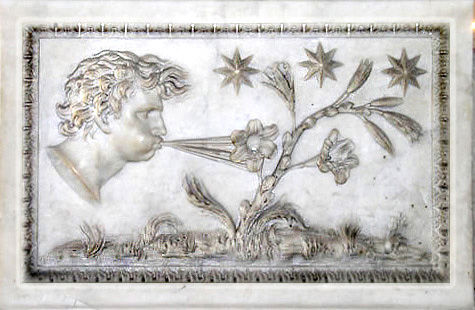
Commas and punctuation reflection
Aborigine armchair angel
Again with the angels
My spirit guide, my guardian angel.
Broken angel, resurrection Mary
"Place holder will you take up mine"
I am free of myself
Now if only I can free myself from you
God you are my mind
God why did you leave me when I was 16
And why did I find you in a dark alley behind a porn shop?
Why did I find you in endless drinks and candy?
Where are your soldiers?
Where are your myriads of locusts?
When will the resurrection be?
Are Howard Zinn and J D Salinger in heaven?
Traveling in god's channel
(I spell god with a little g because I don't know if there is one or many)
Where are your disciples?
Where have all the Christians gone?
The ones who ignited revolution against the Romans
The ones who engaged in peaceful rebellion
Stephen Stills said Jesus was the first non-violent revolutionary
Where is the king the of the Jews now?
Why have you left us to work out our own problems?
When will the kingdom of heaven come to the earth?
Why have you forsaken me?
If you want, remove this cup from me
And I will embrace the golden bough
On watch for the ineffable golem
Honesty breaks the glass under its feet at a Jewish wedding
The place holder takes up horseback riding
And becomes bowlegged in the wind of Aeolus
Commas and punctuation reflection
Aborigine armchair angel
Again with the angels
My spirit guide, my guardian angel.
Broken angel, resurrection Mary
"Place holder will you take up mine"
I am free of myself
Now if only I can free myself from you
God you are my mind
God why did you leave me when I was 16
And why did I find you in a dark alley behind a porn shop?
Why did I find you in endless drinks and candy?
Where are your soldiers?
Where are your myriads of locusts?
When will the resurrection be?
Are Howard Zinn and J D Salinger in heaven?
Traveling in god's channel
(I spell god with a little g because I don't know if there is one or many)
Where are your disciples?
Where have all the Christians gone?
The ones who ignited revolution against the Romans
The ones who engaged in peaceful rebellion
Stephen Stills said Jesus was the first non-violent revolutionary
Where is the king the of the Jews now?
Why have you left us to work out our own problems?
When will the kingdom of heaven come to the earth?
Why have you forsaken me?
If you want, remove this cup from me
And I will embrace the golden bough
On watch for the ineffable golem
Tuesday, February 02, 2010
Monday, February 01, 2010

Tolstoy - The Kingdom of God is Within You
- I was thinking while reading this that JW's are have a lot in common with Christian anarchism. Perhaps that's why my "conversion" to an anarchist was so smooth. When I was about 16 I started reading anarchist literature and it struck a chord in me that I then thought was compatible with JW theology. Of course, the so-called "neutrality" stance put me off and eventually I left the religion due to its incompatibility with my belief that "you can't be neutral on a moving train" as Howard Zinn (RIP) said. But, I still maintain my belief that no human government can ever steak a claim to justice as imperfect human institutions are ultimately coercive and no human has a right to command another.
- I was thinking while reading this that JW's are have a lot in common with Christian anarchism. Perhaps that's why my "conversion" to an anarchist was so smooth. When I was about 16 I started reading anarchist literature and it struck a chord in me that I then thought was compatible with JW theology. Of course, the so-called "neutrality" stance put me off and eventually I left the religion due to its incompatibility with my belief that "you can't be neutral on a moving train" as Howard Zinn (RIP) said. But, I still maintain my belief that no human government can ever steak a claim to justice as imperfect human institutions are ultimately coercive and no human has a right to command another.
Monday, January 25, 2010
In short, neither the crushing powers of the centralized State nor the teachings of mutual hatred and pitiless struggle which came, adorned with the attributes of science, from obliging philosophers and sociologists, could weed out the feeling of human solidarity, deeply lodged in men's understanding and heart, because it has been nurtured by all our preceding evolution.
- Kropotkin
- Kropotkin

Tuesday, December 08, 2009
Monday, December 07, 2009
Mitchell Jones
ANT 471
Final Paper
Ethnology Against the State: Anthropological Anarchism
Koyaanisqatsi
koy • ahn • i • skaht • see
noun (from the Hopi Language)
1. life disintegrating
2. life out of balance
3. life in turmoil
4. crazy life
5. a state of life that calls for
another way of living.
-(http://www.awok.org/)
The man
Of virtuous soul commands not, nor obeys:
Power, like a desolating pestilence,
Pollutes whate'er it touches, and obedience,
Bane of all genius, virtue, freedom, truth,
Makes slaves of men, and, of the human frame,
A mechanized automaton.
-
- Percy Bysshe Shelly (An Anarchist FAQ 2009)
There are very few anarchist anthropologists. Marxist theory seems to dominate, not only anthropology, but other academic disciplines as well. However, there is a small tradition of anarchist anthropology, although not officially named as such. Anarchist theory offers an evolutionary model based not on competition and survival of the fittest, but on mutual cooperation and reciprocity. Anarchist anthropology looks at egalitarian, stateless societies as desirable, natural, functioning systems. Simply put, anarchy works, otherwise it wouldn’t have made up 99.5% of human history (Azat 2000). In the Oxford English Dictionary, definition b. of anarchy is, “A theoretical social state in which there is no governing person or body of persons, but each individual has absolute liberty (without implication of disorder)” (“Anarchy” 2009). This theoretical social state was once a reality and it can be again. In an article called “Anarchism and Anthropology” anarchy is defined in Anarchy: The Journal of Desire Armed:
The term anarchy comes from the Greek, and essentially means 'no ruler.' Anarchists are
people who reject all forms of government or coercive authority, all forms of hierarchy
and domination. They are therefore opposed to what the Mexican anarchist Flores Magon
called the 'sombre trinity' -- state, capital and the church. Anarchists are thus opposed to
both capitalism and to the state, as well as to all forms of religious authority. But
anarchists also seek to establish or bring about by varying means, a condition of anarchy,
that is, a decentralised society without coercive institutions, a society organised through a
federation of voluntary associations (“An Anarchist FAQ” 2009).
According to Pierre Proudhon anarchy is “the absence of a master, of a sovereign” (An Anarchist FAQ 2009). Anarchist anthropology has something to offer the academy as a new theoretical approach and as a vehicle for social criticism.
Today the capitalist state is encroaching on the way of life of many indigenous peoples who have lived in their way for hundreds or even thousands of years. Bakunin said of the state, “Any State, under pain of perishing and seeing itself devoured by neighbouring [sic] States, must tend towards complete power, and, having become powerful, it must embark on a career of conquest, so that it shall not be itself conquered; for two powers similar and at the same time foreign to each other could not co-exist without trying to destroy each other. Whoever says conquest, says conquered peoples, enslaved and in bondage, under whatever form or name it may be” (1950). We see this process working itself out today with globalization and its destruction of indigenous cultures. Through the work of anthropologists with these peoples an alternative to the capitalist state can emerge. Throughout 99% of human history stateless, egalitarian societies existed (Azat 2000). Some theorists describe these societies as anarchist. I will now explain what is meant by anarchism.
I will first describe what anarchism is not. It is not chaos, and it is not the state. Errico Malatesta writes, “[S]ince it was thought that government was necessary and that without government there could only be disorder and confusion, it was natural and logical that anarchy, which means absence of government, should sound like absence of order” (An Anarchist FAQ 2009). This is an essentially flawed premise steeped in “society-centrism.” “Society-centrism” is the idea that dominant interpretations of the state are essentially biased toward a pro-state point of view. This idea was purported by the sociologist Theda Skocpol (Barkey and Parikh 1991). She points to the state as a “central explanatory variable.” This theory describes the state as an actor with its own goals. This actor is completely outside society. According to Badie & Birnbaum, the state is “a unique social invention devised to solve the specific crises of the western European societies at a particular point in their development” (Barkey and Parikh 1991: 529). Clearly the state did not originate in Western Europe, but the idea that a state is formed out of crisis is a valid interpretation of the origins of the state. Robert Paul Wolff describes a Weberian notion of the state in In Defense of Anarchism. He writes, “The state is a group of persons who have and exercise supreme authority within a given territory. Strictly, we should say that a state is a group of persons who have supreme authority within a given territory or over a certain population” [italics his] (1970: 3).
Anarchism is also not Marxism. Anarchism is concerned, not with advancing one individual to achieve political power, but with operating on anarchist principles. Anarchists define themselves by what they believe, i.e.: anarcho-syndicalists, libertarian-socialists, green-anarchists etc., and not who they follow, i.e.: Leninists, Maoists, Trotskyites etc. (Graeber 2004). Marxism also involves state level political organization, whereas anarchism takes a much smaller-scale form.
Anarchism, according to anthropologist David Graeber consists of five principles: autonomy, voluntary association, self-organization, mutual aid and direct democracy (2004: 2). Many of what have until recently been called “primitive” societies have adhered to these principles. I will focus on reciprocity as an economic concept, or mutual aid, and non-coercive political power, or direct democracy, for this essay.
According to the Yorkshire Anarchist Federation, “Mutual aid is a concept of human interaction that comes from Peter Kropotkin. It is based on the idea that animals, including humans, can survive better and in harmony if they work together to achieve a common purpose” (“Jargon Buster” 2009). The OED defines it as, “Support or assistance given and reciprocated (in later use esp. as a social or political mechanism)” (OED 2009). Direct democracy has been defined as, “A system in which people in a political community come together in a forum to make policy decisions themselves, with no intervening institution or officials” (“Democracy and Citizenship >>Glossary” 2009). Normally, the anarchist organizing principle for such a forum is consensus. Consensus has been defined as “agreement in the judgment or opinion reached by a group as a whole” (“Consensus” 2009). The consensus-model of direct democracy, however, does not necessitate that everyone have oneness of opinion. On the contrary, differences of opinion are welcome, but usually a compromise can be made that everyone can live with.
The Darwinian evolutionary model purports that survival of the fittest is the order of the day for the development of species. This has been interpreted in different ways. One example is social Darwinism. T. R. Malthus’ Essays on Population influenced Darwin and established the idea that “on the whole, the best live” (Claeys 2000: 223). Darwin’s theories have been used to back up individualist as well as collectivist politics. Herbert Spencer actually coined the term “survival of the fittest” (Claeys 2000). This term has been extrapolated to “might is right” and used by capitalists and statists to justify their exploitation of socio-economically weaker, or “less fit” peoples.
Anarchist anthropologists and biologists have denounced this theory. The anthropologist Alfred Radcliffe-Brown or “Anarchy Brown,” as he was called in his school days was one such scientist. He studied kin relationships in South Africa and found that joking was one way to diffuse potentially disruptive behavior. He wrote, “The show of hostility, the perpetual disrespect, is a continual expression of that social disjunction which is an essential part of the whole structural situation, but over which, without destroying or even weakening it, there is provided the social conjunction of friendliness and mutual aid” (Perry 1975: 63).
He got the term mutual aid from Peter Kropotkin, an anarchist who wrote during the early half of the 20th century, around the time that Radcliffe-Brown was a student at Trinity College. Kropotkin wrote in his book Mutual Aid on the subject of human societies as well as animal social organization and found their history to be one of cooperation. This cooperation, according to Kropotkin, gave these species evolutionary advantage. Kropotkin writes:
As soon as we study animals -- not in laboratories and museums only, but in the forest
and the prairie, in the steppe and the mountains -- we at once perceive that though there is
an immense amount of warfare and extermination going on amidst various species, and
especially amidst various classes of animals, there is, at the same time, as much, or
perhaps even more, of mutual support, mutual aid, and mutual defence [sic] amidst
animals belonging to the same species or, at least, to the same society (1902).
He goes on to state, “The animal species, in which individual struggle has been reduced to its narrowest limits, and the practice of mutual aid has attained the greatest development, are invariably the most numerous, the most prosperous, and the most open to further progress” (1902). He cites a study done by a Russian zoologist by the name of Kessler in which Kessler concludes that “All classes of animals, especially the higher ones, practise [sic] mutual aid” using empirical evidence collected from burying beetles, birds and mammalia (Kropotkin 1902). Humans are no exception. Kropotkin states, “It is evident that it would be quite contrary to all that we know of nature if men were an exception to so general a rule: if a creature so defenceless [sic] as man was at his beginnings should have found his protection and his way to progress, not in mutual support, like other animals, but in a reckless competition for personal advantages, with no regard to the interests of the species.” (1902).
Radcliffe-Brown applied these concepts to his ethnological and ethnographic work. He wrote, “A social relation does not result from a similarity of interests, but rests either on the mutual interest of persons in one another, or on one or more common interests, or on a combination of both of these” (Perry 1975: 63). Radcliffe-Brown also proposed that the primary factor in the maintenance of society is not governmental pressure, but social pressure. He writes, “…what is called conscience is thus in the widest sense the reflex in the individual of the sanctions of society” (Perry 1975: 63). This means that the skeptical analysis of anarchism, that people would just kill each other, is wrong. Social pressure, instead of coercive pressure would enforce the norms and values of society. The difference between coercive pressure and social pressure is akin to the difference between the two kinds of law described by Roderick Long: “Law may be subdivided into voluntary and coercive law, depending on the means whereby compliance is secured. Voluntary law, as the name implies, relies solely on voluntary means, such as social pressure, boycotts, and the like, in order to secure compliance with the results of adjudication. Coercive law, on the other hand, relies at least in part on force and threats of force” (Long 1994). Thus, the inherent violence of the state can be illustrated. Long is not an anarchist, in fact he advocates laissez-faire capitalism, but his principle still applies.
Other anthropologists have taken the idea of reciprocity further. The French anthropologist Marcel Mauss wrote on gift-giving economy in his book The Gift: Forms and Functions of Exchange in Archaic Societies. In it he writes, “In Scandinavian civilization, and in a good number of others, exchanges and contracts take place in the form of presents; in theory these are voluntary, in reality they are given and reciprocated obligatorily” (1950: 3). He describes the process of gift giving as potlatch, using the Chinook term. In the Maori culture all goods possess a spiritual power that is exchanged along with the gift. This spiritual power is called hau and the physical gift is called tonga. A Maori juridical expert explains it best:
The tonga and all gods termed strictly personal possess a hau, a spiritual power. You give me one of them, and I pass it on to a third party; he gives another to me inturn, because he is impelled to do so by the hau my present possesses. I for my part, am obliged to give you that thing because I must return to you what is in reality the effect of the hau of your tonga (Mauss 1950: 11).
This system of reciprocity is an alternative to the system of capitalist exchange. In his conclusion Mauss is very optimistic about the elevation of the social over the individual. He writes, “The brutish pursuit of individual ends is harmful to the ends and the peace of all, to the rhythm of their work and joys – and rebounds on the individual himself” (1950: 77). He then critiques capitalism saying that men have not been machines for very long, exchanging their labor for less than it is really worth. He says that the worker expects to be fairly rewarded for his efforts, and that the individualistic type of economy does not do this. He states that there is self interest in gift giving, but it is only self interest in the sense that what is good for the whole is good for the individual (Mauss 1950). This elevation of the social over the individual is an essential element of anarchist thought. The voluntary nature of gift giving maintains an economy that is not coercive.
Another French anthropologist, Pierre Clastres, wrote about the institution of the chief and his role in mutual aid and gift giving. In his book Society Against the State he writes that the chief in so-called “Indian” societies is required to give most of what he has for the greater good of the community. There are no societies without political power, but there is a difference between coercive power and non-coercive power. He states, “The model of coercive power is adopted… only in exceptional circumstances when the group faces an external threat” (Clastres 1987: 30). Normal civil power is based on consensus and its function is pacification. The chief exists to maintain the peace and harmony of the group (Clastres 1987). The chief must also give of his belongings to help the greater good of the community. Therefore, greed and power are incompatible (Mauss 1987). In this way the chief is not so much a ruler, but a servant of the people.
This is similar to David Graeber’s concept of counterpower. Counterpower, according to Graeber, “stands guard over what are seen as certain frightening possibilities within the society itself: notably against the emergence of systematic forms of political or economic dominance” (2004: 35). He states that all societies are to some extent at war with themselves and this war is the playing out of the relationship between power and counterpower. He gives the example of Joanna Overing’s work with the Piaroa, who have what she describes as an anarchist society. However, despite their emphasis on egalitarianism and simultaneous individual autonomy they insist that their culture was the creation of an evil god. They believe that their war is one that plays itself out in the cosmos where wizards have to fend off evil spirits who seek to gain power (Graeber 2004). Thus, counterpower is imagined as a spiritual concept. Freedom is a constant struggle between power and counterpower, or between the individual and the evil spirits.
The argument is also influenced by Antonio Gramsci’s concept of hegemony and counter-hegemony. Gramsci argues that there are two factors in society: 1)the state and 2) civil society. The state is a coercive apparatus represented by dictatorship + hegemony. Civil society is dominated by the hegemony of the state, or the ruling class, and thus legitimates the state (Mastroianni 2002). However, there is another force, that of counter-hegemony, that exists in the realm of the proletariat. This kind of hegemony exists to subvert the state. This view differs from the anarchist view, however. Gramsci says that a permanent proletarian hegemony must exist to oust the bourgeois, which he demonizes (Pozo 2007). In the anarchist paradigm there is a constant interplay between power and counterpower that must perpetually exist, without one winning over the other. Gramsci’s concept of hegemony, therefore, is flawed in that he believes that a hegemony of the proletariat will ultimately lead to a successful egalitarian revolution. Put another way, a “dictatorship of the proletariat” is necessary for everyone to have an equitable share. This is contradictory.
Clastres states, “It is in the nature of primitive society to know that violence is the essence of power. Deeply rooted in that knowledge is the concern to constantly keep power apart from the institution of power, command apart from the chief” (1987: 154). In his conclusion he writes, “…what the Savages exhibit is the continual effort to prevent chiefs from being chiefs, the refusal of unification, the endeavor to exorcise the One, the State” (1987: 218)
He also describes marriage relationships as the way of establishing kinship ties to avoid warfare in “Indian” societies. Each community has a certain level of autonomy, but they are also interconnected through the process of exogamy.
The crux of his argument is that the assumption that primitive societies lack something is essentially wrong. He opposes the unilinear evolutionary notion that primitive societies are in an embryonic state and that the state is in the adult phase (Clastres 1987). Thus, the unilinear evolutionary model is wrong. There are many things that are desirable about so-called primitive society that we can learn from.
Finally, Marshall Sahlins writings in his book Stone Age Economics have fueled neo-primitivist critiques of society, although he never associated himself with the neo-primitivist movement. Sometimes called “green-anarchism,” neo-primitivism asserts that agriculture was the beginning of the downfall of society.
John Zerzan is one proponent of “green-anarchy.” He points to the fact that it seems that for about two and a half million years there was little technological development. He writes, “It strikes me as very plausible that intelligence, informed by the success and satisfaction of a gatherer-hunter existence, is the very reason for the pronounced absence of ‘progress’” (Zerzan). Zerzan writes of Sahlins’ work, “A nearly complete reversal in anthropological orthodoxy has come about, with important implications. Now we can see that life before domestication/agriculture was in fact largely one of leisure, intimacy with nature, sensual wisdom, sexual equality, and health. This was our human nature, for a couple of million years, prior to enslavement by priests, kings, and bosses” (Zerzan).
In the opening chapter of Stone Age Economics Sahlins argues that capitalism is built around scarcity, but that Neolithic cultures had economies based on abundance. Perhaps his most surprising claim is that the average amount of time spent in the procuring of food for the Bushmen of Africa was about four to five hours a day. The rest of their time is spent in leisure and sleep activities (Sahlins 1972). This shows how inefficient capitalism is and how much more “affluent” hunter-gatherers were. Affluence is described by Sahlins as the ability to have one’s needs fulfilled. When you eliminate the need for useless commodities that has been manufactured by capitalist interests, then your needs are more easily met. Anarchists believe in a system based on egalitarian principles and reject the capitalist claim of scarcity.
As we’ve seen from the anthropologists mentioned above, anthropologists have taken as much from anarchists as anarchists have taken from anthropologists. Although anarchist-anthropology is not yet an established theoretical framework, “fragments,” as Graeber calls them, are there. After all, it can be said that 99.5% of human history has been anarchy, or society without inequality and a State (Azat 2000). The origins of authority and inequality are unclear, but an anarchist-archaeology may be able to help answer this question. One hypothesis is that hierarchy develops when we see people proclaiming that there is one supreme God and that they are the only ones who can communicate with God. This gives them transcendent power, which gives an apparent legitimacy to their claim to authority (“Absolute” 1997). John Zerzan reflects this thesis when he writes, “When specialists alone claim access to such perceptual heights as may have once been communal, further backward moves in division of labor are facilitated or enhanced. The way back to bliss through ritual is a virtually universal mythic theme, promising the dissolution of measurable time, among other joys. This theme of ritual points to an absence that it falsely claims to fill, as does symbolic culture in general” (Zerzan). This “regression” is what the “society-centric” paradigm calls “progress.”
There are anarchists in the academy today. The linguist Noam Chomsky, archaeologist Theresa Kintz as well as David Graeber, mentioned above, are two prominent anarchist academics. However, many academics fear openly espousing anarchist rhetoric, for fear of repercussions. Yale did not renew David Graeber’s contract in 2005, possibly for political reasons (“David” 2009). For now anarchist theoretical discourse is not sanctioned by the academy, even though anarchism has a lot to offer it. Theresa Kintz states:
As far as what a revolutionary perspective has to offer archaeology, well, a sense of purpose. It could/should be so much more than elites satisfying the intellectual curiosity of other elites. Radical archaeologists are now pushing the discipline to acknowledge the role our narratives play in society, highlighting the role of the past, the politics of the past, in the present. I’ve always been at odds with archaeology over its lack of self-awareness, its reluctance to make our work relevant in the real world. It’s funny, my fellow archaeologists see me as a radical green anarchist, someone who comes to do archaeology with an overtly political agenda, an outsider who has infiltrated the ivory tower, really. On the other side, because I study and work in the profession, my comrades the radicals will often see me as part of an academic establishment that defends the status quo, sort of an outsider here, too. I try to walk a fine line in order to bring these two camps together as I do see they can help each other, even if I get bashed from both sides (“Artifacts”).
Thus, there is distrust of academia coming from the anarchist community as well as distrust of anarchism coming from the academic community. However Theresa Kintz says, “So yes, I do believe the study of the past, through archaeology, has the potential to enlighten and provoke thought, even action, and I insist this doesn’t require an academic setting. It is the core idea of learning as much as one can about the world you live in that’s important to promote” (“Artifacts”) . There is the possibility of rapprochement between anarchism and academia, but until then anarchism will remain a rouge theory that is marginalized by the academy.
Works Cited:
“Absolute Power.” Fragments Zine. 1997. Web. 2 December 2009.
http://www.fragmentsweb.org/TXT2/reciprtx.html
An Anarchist FAQ. Infoshop.org. Web. 28 September 2009.
http://www.infoshop.org/faq/secAcon.html
“Anarchy.” OED Online. Web. 2 December 2009.
http://dictionary.oed.com/cgi/entry/50007981?single=1&query_type=word&queryword
=anarchy&first=1&max_to_show=10
“Artifacts and Anarchy: The Implications of Pre-History.” Insurgent Desire. Web. 9 December
2009. http://www.insurgentdesire.org.uk/artifacts.htm
Barkey, Karen and Sunita Parikh. “Comparative Perspectives on the State.” Annual Review of
Sociology. 17. 1991.
Bakunin, Mikhail. Marxism, Freedom and the State. Trans. K. J. Kenafick. Freedom Press. 1950.
Anarchy Archives. Pitzer College, 28 October. 2001. Web. 23 September. 2009.
http://dwardmac.pitzer.edu/anarchist_Archives/bakunin/marxnfree.html.
Bakunin, Mikhail. “The Paris Commune and the Idea of the State.” New York: Alfred A. Knof.
1871. Anarchy Archives. Pitzer College, 12 September 2001. Web. 23 September 2009.
http://dwardmac.pitzer.edu/Anarchist_Archives/bakunin/pariscommune.html
Claeys, Gregory. “The ‘Survival of the Fittest’ and the Origins of Social Darwinism.” Journal of
the History of Ideas. 61.2 (2000).
Clastres, Pierre. Society Against the State. Trans.: Robert Hurley and Abe Stein. New York:
Zone Books. 1987.
“Consensus.” WordNet. Web. 2 December 2009.
http://wordnetweb.princeton.edu/perl/webwn?s=consensus
“David Graeber.” Absolute Astronomy. Web. 6 November 2009.
http://www.absoluteastronomy.com/topics/David_Graeber
“Democracy and Citizenship >> Glossary.” American Politics. Web. 2 December 2009.
http://www.laits.utexas.edu/gov310/DC/glossary.html
Graeber, David. Fragments of an Anarchist Anthropology. Chicago: Prickly Paradigm Press,
2004.
“Jargon Buster.” Yorkshire Federation of Anarchists. Web. 2 December 2009. http://yorks-afed.org/jargon-buster/
Kropotkin, Peter. Mutual Aid: A Factor of Evolution. 1902. Anarchy Archives. Pitzer College, 1
June 2006. Web. 16 September 2009. http://dwardmac.pitzer.edu/Anarchist_archives/kropotkin
Long, Roderick T. The Nature of Law. 1994. Libertarian Nation Foundation. Web. 2 December
2009. http://libertariannation.org/a/f13l2.html
Mastroianni, Dominic. Post-colonial Studies at Emory. Fall 2002. Web. 2 December 2009.
http://www.english.emory.edu/Bahri/hegemony.html
Mauss, Marcel. The Gift: The Form and Reason for Exchange in Archaic Societies. Trans. W. D.
Halls. London: W. W. Norton. 1990.
Oxford English Dictionary: Online. Oxford University Press. Web. 2 December 2009.
http://dictionary.oed.com
Perry, Richard J. “Radcliffe-Brown and Kropotkin: The Heritage of Anarchism in British Social
Anthropology.” Kroeber Anthropological Society Papers. 51-52. (1975): 61-65.
Pozo, Luis M. “The Roots of Hegemony: The Mechanisms of Class Accommodation and the
Emergence of the Nation-people.” Capital and Class. 91. (2007): 55-89.
Radcliffe-Brown, A. R. The Anadman Islanders. Glencoe, IL: Free Press. 1948.
Sahlins, Marshall David. Stone Age Economics. Chicago: Aldine-Atherton, 1972.
Weir, David. Anarchy and Culture: The Aesthetic Politics of Modernism. Amherst : University
of Massachusetts Press. 1997.
Wolff, Robert Paul. In Defense of Anarchism. Berkeley: University of California Press. 1970.
Zerzan, John. “Future Primitive.” Web. 2 December 2009. http://www.primitivism.com/future-primitive.htm
ANT 471
Final Paper
Ethnology Against the State: Anthropological Anarchism
Koyaanisqatsi
koy • ahn • i • skaht • see
noun (from the Hopi Language)
1. life disintegrating
2. life out of balance
3. life in turmoil
4. crazy life
5. a state of life that calls for
another way of living.
-(http://www.awok.org/)
The man
Of virtuous soul commands not, nor obeys:
Power, like a desolating pestilence,
Pollutes whate'er it touches, and obedience,
Bane of all genius, virtue, freedom, truth,
Makes slaves of men, and, of the human frame,
A mechanized automaton.
-
- Percy Bysshe Shelly (An Anarchist FAQ 2009)
There are very few anarchist anthropologists. Marxist theory seems to dominate, not only anthropology, but other academic disciplines as well. However, there is a small tradition of anarchist anthropology, although not officially named as such. Anarchist theory offers an evolutionary model based not on competition and survival of the fittest, but on mutual cooperation and reciprocity. Anarchist anthropology looks at egalitarian, stateless societies as desirable, natural, functioning systems. Simply put, anarchy works, otherwise it wouldn’t have made up 99.5% of human history (Azat 2000). In the Oxford English Dictionary, definition b. of anarchy is, “A theoretical social state in which there is no governing person or body of persons, but each individual has absolute liberty (without implication of disorder)” (“Anarchy” 2009). This theoretical social state was once a reality and it can be again. In an article called “Anarchism and Anthropology” anarchy is defined in Anarchy: The Journal of Desire Armed:
The term anarchy comes from the Greek, and essentially means 'no ruler.' Anarchists are
people who reject all forms of government or coercive authority, all forms of hierarchy
and domination. They are therefore opposed to what the Mexican anarchist Flores Magon
called the 'sombre trinity' -- state, capital and the church. Anarchists are thus opposed to
both capitalism and to the state, as well as to all forms of religious authority. But
anarchists also seek to establish or bring about by varying means, a condition of anarchy,
that is, a decentralised society without coercive institutions, a society organised through a
federation of voluntary associations (“An Anarchist FAQ” 2009).
According to Pierre Proudhon anarchy is “the absence of a master, of a sovereign” (An Anarchist FAQ 2009). Anarchist anthropology has something to offer the academy as a new theoretical approach and as a vehicle for social criticism.
Today the capitalist state is encroaching on the way of life of many indigenous peoples who have lived in their way for hundreds or even thousands of years. Bakunin said of the state, “Any State, under pain of perishing and seeing itself devoured by neighbouring [sic] States, must tend towards complete power, and, having become powerful, it must embark on a career of conquest, so that it shall not be itself conquered; for two powers similar and at the same time foreign to each other could not co-exist without trying to destroy each other. Whoever says conquest, says conquered peoples, enslaved and in bondage, under whatever form or name it may be” (1950). We see this process working itself out today with globalization and its destruction of indigenous cultures. Through the work of anthropologists with these peoples an alternative to the capitalist state can emerge. Throughout 99% of human history stateless, egalitarian societies existed (Azat 2000). Some theorists describe these societies as anarchist. I will now explain what is meant by anarchism.
I will first describe what anarchism is not. It is not chaos, and it is not the state. Errico Malatesta writes, “[S]ince it was thought that government was necessary and that without government there could only be disorder and confusion, it was natural and logical that anarchy, which means absence of government, should sound like absence of order” (An Anarchist FAQ 2009). This is an essentially flawed premise steeped in “society-centrism.” “Society-centrism” is the idea that dominant interpretations of the state are essentially biased toward a pro-state point of view. This idea was purported by the sociologist Theda Skocpol (Barkey and Parikh 1991). She points to the state as a “central explanatory variable.” This theory describes the state as an actor with its own goals. This actor is completely outside society. According to Badie & Birnbaum, the state is “a unique social invention devised to solve the specific crises of the western European societies at a particular point in their development” (Barkey and Parikh 1991: 529). Clearly the state did not originate in Western Europe, but the idea that a state is formed out of crisis is a valid interpretation of the origins of the state. Robert Paul Wolff describes a Weberian notion of the state in In Defense of Anarchism. He writes, “The state is a group of persons who have and exercise supreme authority within a given territory. Strictly, we should say that a state is a group of persons who have supreme authority within a given territory or over a certain population” [italics his] (1970: 3).
Anarchism is also not Marxism. Anarchism is concerned, not with advancing one individual to achieve political power, but with operating on anarchist principles. Anarchists define themselves by what they believe, i.e.: anarcho-syndicalists, libertarian-socialists, green-anarchists etc., and not who they follow, i.e.: Leninists, Maoists, Trotskyites etc. (Graeber 2004). Marxism also involves state level political organization, whereas anarchism takes a much smaller-scale form.
Anarchism, according to anthropologist David Graeber consists of five principles: autonomy, voluntary association, self-organization, mutual aid and direct democracy (2004: 2). Many of what have until recently been called “primitive” societies have adhered to these principles. I will focus on reciprocity as an economic concept, or mutual aid, and non-coercive political power, or direct democracy, for this essay.
According to the Yorkshire Anarchist Federation, “Mutual aid is a concept of human interaction that comes from Peter Kropotkin. It is based on the idea that animals, including humans, can survive better and in harmony if they work together to achieve a common purpose” (“Jargon Buster” 2009). The OED defines it as, “Support or assistance given and reciprocated (in later use esp. as a social or political mechanism)” (OED 2009). Direct democracy has been defined as, “A system in which people in a political community come together in a forum to make policy decisions themselves, with no intervening institution or officials” (“Democracy and Citizenship >>Glossary” 2009). Normally, the anarchist organizing principle for such a forum is consensus. Consensus has been defined as “agreement in the judgment or opinion reached by a group as a whole” (“Consensus” 2009). The consensus-model of direct democracy, however, does not necessitate that everyone have oneness of opinion. On the contrary, differences of opinion are welcome, but usually a compromise can be made that everyone can live with.
The Darwinian evolutionary model purports that survival of the fittest is the order of the day for the development of species. This has been interpreted in different ways. One example is social Darwinism. T. R. Malthus’ Essays on Population influenced Darwin and established the idea that “on the whole, the best live” (Claeys 2000: 223). Darwin’s theories have been used to back up individualist as well as collectivist politics. Herbert Spencer actually coined the term “survival of the fittest” (Claeys 2000). This term has been extrapolated to “might is right” and used by capitalists and statists to justify their exploitation of socio-economically weaker, or “less fit” peoples.
Anarchist anthropologists and biologists have denounced this theory. The anthropologist Alfred Radcliffe-Brown or “Anarchy Brown,” as he was called in his school days was one such scientist. He studied kin relationships in South Africa and found that joking was one way to diffuse potentially disruptive behavior. He wrote, “The show of hostility, the perpetual disrespect, is a continual expression of that social disjunction which is an essential part of the whole structural situation, but over which, without destroying or even weakening it, there is provided the social conjunction of friendliness and mutual aid” (Perry 1975: 63).
He got the term mutual aid from Peter Kropotkin, an anarchist who wrote during the early half of the 20th century, around the time that Radcliffe-Brown was a student at Trinity College. Kropotkin wrote in his book Mutual Aid on the subject of human societies as well as animal social organization and found their history to be one of cooperation. This cooperation, according to Kropotkin, gave these species evolutionary advantage. Kropotkin writes:
As soon as we study animals -- not in laboratories and museums only, but in the forest
and the prairie, in the steppe and the mountains -- we at once perceive that though there is
an immense amount of warfare and extermination going on amidst various species, and
especially amidst various classes of animals, there is, at the same time, as much, or
perhaps even more, of mutual support, mutual aid, and mutual defence [sic] amidst
animals belonging to the same species or, at least, to the same society (1902).
He goes on to state, “The animal species, in which individual struggle has been reduced to its narrowest limits, and the practice of mutual aid has attained the greatest development, are invariably the most numerous, the most prosperous, and the most open to further progress” (1902). He cites a study done by a Russian zoologist by the name of Kessler in which Kessler concludes that “All classes of animals, especially the higher ones, practise [sic] mutual aid” using empirical evidence collected from burying beetles, birds and mammalia (Kropotkin 1902). Humans are no exception. Kropotkin states, “It is evident that it would be quite contrary to all that we know of nature if men were an exception to so general a rule: if a creature so defenceless [sic] as man was at his beginnings should have found his protection and his way to progress, not in mutual support, like other animals, but in a reckless competition for personal advantages, with no regard to the interests of the species.” (1902).
Radcliffe-Brown applied these concepts to his ethnological and ethnographic work. He wrote, “A social relation does not result from a similarity of interests, but rests either on the mutual interest of persons in one another, or on one or more common interests, or on a combination of both of these” (Perry 1975: 63). Radcliffe-Brown also proposed that the primary factor in the maintenance of society is not governmental pressure, but social pressure. He writes, “…what is called conscience is thus in the widest sense the reflex in the individual of the sanctions of society” (Perry 1975: 63). This means that the skeptical analysis of anarchism, that people would just kill each other, is wrong. Social pressure, instead of coercive pressure would enforce the norms and values of society. The difference between coercive pressure and social pressure is akin to the difference between the two kinds of law described by Roderick Long: “Law may be subdivided into voluntary and coercive law, depending on the means whereby compliance is secured. Voluntary law, as the name implies, relies solely on voluntary means, such as social pressure, boycotts, and the like, in order to secure compliance with the results of adjudication. Coercive law, on the other hand, relies at least in part on force and threats of force” (Long 1994). Thus, the inherent violence of the state can be illustrated. Long is not an anarchist, in fact he advocates laissez-faire capitalism, but his principle still applies.
Other anthropologists have taken the idea of reciprocity further. The French anthropologist Marcel Mauss wrote on gift-giving economy in his book The Gift: Forms and Functions of Exchange in Archaic Societies. In it he writes, “In Scandinavian civilization, and in a good number of others, exchanges and contracts take place in the form of presents; in theory these are voluntary, in reality they are given and reciprocated obligatorily” (1950: 3). He describes the process of gift giving as potlatch, using the Chinook term. In the Maori culture all goods possess a spiritual power that is exchanged along with the gift. This spiritual power is called hau and the physical gift is called tonga. A Maori juridical expert explains it best:
The tonga and all gods termed strictly personal possess a hau, a spiritual power. You give me one of them, and I pass it on to a third party; he gives another to me inturn, because he is impelled to do so by the hau my present possesses. I for my part, am obliged to give you that thing because I must return to you what is in reality the effect of the hau of your tonga (Mauss 1950: 11).
This system of reciprocity is an alternative to the system of capitalist exchange. In his conclusion Mauss is very optimistic about the elevation of the social over the individual. He writes, “The brutish pursuit of individual ends is harmful to the ends and the peace of all, to the rhythm of their work and joys – and rebounds on the individual himself” (1950: 77). He then critiques capitalism saying that men have not been machines for very long, exchanging their labor for less than it is really worth. He says that the worker expects to be fairly rewarded for his efforts, and that the individualistic type of economy does not do this. He states that there is self interest in gift giving, but it is only self interest in the sense that what is good for the whole is good for the individual (Mauss 1950). This elevation of the social over the individual is an essential element of anarchist thought. The voluntary nature of gift giving maintains an economy that is not coercive.
Another French anthropologist, Pierre Clastres, wrote about the institution of the chief and his role in mutual aid and gift giving. In his book Society Against the State he writes that the chief in so-called “Indian” societies is required to give most of what he has for the greater good of the community. There are no societies without political power, but there is a difference between coercive power and non-coercive power. He states, “The model of coercive power is adopted… only in exceptional circumstances when the group faces an external threat” (Clastres 1987: 30). Normal civil power is based on consensus and its function is pacification. The chief exists to maintain the peace and harmony of the group (Clastres 1987). The chief must also give of his belongings to help the greater good of the community. Therefore, greed and power are incompatible (Mauss 1987). In this way the chief is not so much a ruler, but a servant of the people.
This is similar to David Graeber’s concept of counterpower. Counterpower, according to Graeber, “stands guard over what are seen as certain frightening possibilities within the society itself: notably against the emergence of systematic forms of political or economic dominance” (2004: 35). He states that all societies are to some extent at war with themselves and this war is the playing out of the relationship between power and counterpower. He gives the example of Joanna Overing’s work with the Piaroa, who have what she describes as an anarchist society. However, despite their emphasis on egalitarianism and simultaneous individual autonomy they insist that their culture was the creation of an evil god. They believe that their war is one that plays itself out in the cosmos where wizards have to fend off evil spirits who seek to gain power (Graeber 2004). Thus, counterpower is imagined as a spiritual concept. Freedom is a constant struggle between power and counterpower, or between the individual and the evil spirits.
The argument is also influenced by Antonio Gramsci’s concept of hegemony and counter-hegemony. Gramsci argues that there are two factors in society: 1)the state and 2) civil society. The state is a coercive apparatus represented by dictatorship + hegemony. Civil society is dominated by the hegemony of the state, or the ruling class, and thus legitimates the state (Mastroianni 2002). However, there is another force, that of counter-hegemony, that exists in the realm of the proletariat. This kind of hegemony exists to subvert the state. This view differs from the anarchist view, however. Gramsci says that a permanent proletarian hegemony must exist to oust the bourgeois, which he demonizes (Pozo 2007). In the anarchist paradigm there is a constant interplay between power and counterpower that must perpetually exist, without one winning over the other. Gramsci’s concept of hegemony, therefore, is flawed in that he believes that a hegemony of the proletariat will ultimately lead to a successful egalitarian revolution. Put another way, a “dictatorship of the proletariat” is necessary for everyone to have an equitable share. This is contradictory.
Clastres states, “It is in the nature of primitive society to know that violence is the essence of power. Deeply rooted in that knowledge is the concern to constantly keep power apart from the institution of power, command apart from the chief” (1987: 154). In his conclusion he writes, “…what the Savages exhibit is the continual effort to prevent chiefs from being chiefs, the refusal of unification, the endeavor to exorcise the One, the State” (1987: 218)
He also describes marriage relationships as the way of establishing kinship ties to avoid warfare in “Indian” societies. Each community has a certain level of autonomy, but they are also interconnected through the process of exogamy.
The crux of his argument is that the assumption that primitive societies lack something is essentially wrong. He opposes the unilinear evolutionary notion that primitive societies are in an embryonic state and that the state is in the adult phase (Clastres 1987). Thus, the unilinear evolutionary model is wrong. There are many things that are desirable about so-called primitive society that we can learn from.
Finally, Marshall Sahlins writings in his book Stone Age Economics have fueled neo-primitivist critiques of society, although he never associated himself with the neo-primitivist movement. Sometimes called “green-anarchism,” neo-primitivism asserts that agriculture was the beginning of the downfall of society.
John Zerzan is one proponent of “green-anarchy.” He points to the fact that it seems that for about two and a half million years there was little technological development. He writes, “It strikes me as very plausible that intelligence, informed by the success and satisfaction of a gatherer-hunter existence, is the very reason for the pronounced absence of ‘progress’” (Zerzan). Zerzan writes of Sahlins’ work, “A nearly complete reversal in anthropological orthodoxy has come about, with important implications. Now we can see that life before domestication/agriculture was in fact largely one of leisure, intimacy with nature, sensual wisdom, sexual equality, and health. This was our human nature, for a couple of million years, prior to enslavement by priests, kings, and bosses” (Zerzan).
In the opening chapter of Stone Age Economics Sahlins argues that capitalism is built around scarcity, but that Neolithic cultures had economies based on abundance. Perhaps his most surprising claim is that the average amount of time spent in the procuring of food for the Bushmen of Africa was about four to five hours a day. The rest of their time is spent in leisure and sleep activities (Sahlins 1972). This shows how inefficient capitalism is and how much more “affluent” hunter-gatherers were. Affluence is described by Sahlins as the ability to have one’s needs fulfilled. When you eliminate the need for useless commodities that has been manufactured by capitalist interests, then your needs are more easily met. Anarchists believe in a system based on egalitarian principles and reject the capitalist claim of scarcity.
As we’ve seen from the anthropologists mentioned above, anthropologists have taken as much from anarchists as anarchists have taken from anthropologists. Although anarchist-anthropology is not yet an established theoretical framework, “fragments,” as Graeber calls them, are there. After all, it can be said that 99.5% of human history has been anarchy, or society without inequality and a State (Azat 2000). The origins of authority and inequality are unclear, but an anarchist-archaeology may be able to help answer this question. One hypothesis is that hierarchy develops when we see people proclaiming that there is one supreme God and that they are the only ones who can communicate with God. This gives them transcendent power, which gives an apparent legitimacy to their claim to authority (“Absolute” 1997). John Zerzan reflects this thesis when he writes, “When specialists alone claim access to such perceptual heights as may have once been communal, further backward moves in division of labor are facilitated or enhanced. The way back to bliss through ritual is a virtually universal mythic theme, promising the dissolution of measurable time, among other joys. This theme of ritual points to an absence that it falsely claims to fill, as does symbolic culture in general” (Zerzan). This “regression” is what the “society-centric” paradigm calls “progress.”
There are anarchists in the academy today. The linguist Noam Chomsky, archaeologist Theresa Kintz as well as David Graeber, mentioned above, are two prominent anarchist academics. However, many academics fear openly espousing anarchist rhetoric, for fear of repercussions. Yale did not renew David Graeber’s contract in 2005, possibly for political reasons (“David” 2009). For now anarchist theoretical discourse is not sanctioned by the academy, even though anarchism has a lot to offer it. Theresa Kintz states:
As far as what a revolutionary perspective has to offer archaeology, well, a sense of purpose. It could/should be so much more than elites satisfying the intellectual curiosity of other elites. Radical archaeologists are now pushing the discipline to acknowledge the role our narratives play in society, highlighting the role of the past, the politics of the past, in the present. I’ve always been at odds with archaeology over its lack of self-awareness, its reluctance to make our work relevant in the real world. It’s funny, my fellow archaeologists see me as a radical green anarchist, someone who comes to do archaeology with an overtly political agenda, an outsider who has infiltrated the ivory tower, really. On the other side, because I study and work in the profession, my comrades the radicals will often see me as part of an academic establishment that defends the status quo, sort of an outsider here, too. I try to walk a fine line in order to bring these two camps together as I do see they can help each other, even if I get bashed from both sides (“Artifacts”).
Thus, there is distrust of academia coming from the anarchist community as well as distrust of anarchism coming from the academic community. However Theresa Kintz says, “So yes, I do believe the study of the past, through archaeology, has the potential to enlighten and provoke thought, even action, and I insist this doesn’t require an academic setting. It is the core idea of learning as much as one can about the world you live in that’s important to promote” (“Artifacts”) . There is the possibility of rapprochement between anarchism and academia, but until then anarchism will remain a rouge theory that is marginalized by the academy.
Works Cited:
“Absolute Power.” Fragments Zine. 1997. Web. 2 December 2009.
http://www.fragmentsweb.org/TXT2/reciprtx.html
An Anarchist FAQ. Infoshop.org. Web. 28 September 2009.
http://www.infoshop.org/faq/secAcon.html
“Anarchy.” OED Online. Web. 2 December 2009.
http://dictionary.oed.com/cgi/entry/50007981?single=1&query_type=word&queryword
=anarchy&first=1&max_to_show=10
“Artifacts and Anarchy: The Implications of Pre-History.” Insurgent Desire. Web. 9 December
2009. http://www.insurgentdesire.org.uk/artifacts.htm
Barkey, Karen and Sunita Parikh. “Comparative Perspectives on the State.” Annual Review of
Sociology. 17. 1991.
Bakunin, Mikhail. Marxism, Freedom and the State. Trans. K. J. Kenafick. Freedom Press. 1950.
Anarchy Archives. Pitzer College, 28 October. 2001. Web. 23 September. 2009.
http://dwardmac.pitzer.edu/anarchist_Archives/bakunin/marxnfree.html.
Bakunin, Mikhail. “The Paris Commune and the Idea of the State.” New York: Alfred A. Knof.
1871. Anarchy Archives. Pitzer College, 12 September 2001. Web. 23 September 2009.
http://dwardmac.pitzer.edu/Anarchist_Archives/bakunin/pariscommune.html
Claeys, Gregory. “The ‘Survival of the Fittest’ and the Origins of Social Darwinism.” Journal of
the History of Ideas. 61.2 (2000).
Clastres, Pierre. Society Against the State. Trans.: Robert Hurley and Abe Stein. New York:
Zone Books. 1987.
“Consensus.” WordNet. Web. 2 December 2009.
http://wordnetweb.princeton.edu/perl/webwn?s=consensus
“David Graeber.” Absolute Astronomy. Web. 6 November 2009.
http://www.absoluteastronomy.com/topics/David_Graeber
“Democracy and Citizenship >> Glossary.” American Politics. Web. 2 December 2009.
http://www.laits.utexas.edu/gov310/DC/glossary.html
Graeber, David. Fragments of an Anarchist Anthropology. Chicago: Prickly Paradigm Press,
2004.
“Jargon Buster.” Yorkshire Federation of Anarchists. Web. 2 December 2009. http://yorks-afed.org/jargon-buster/
Kropotkin, Peter. Mutual Aid: A Factor of Evolution. 1902. Anarchy Archives. Pitzer College, 1
June 2006. Web. 16 September 2009. http://dwardmac.pitzer.edu/Anarchist_archives/kropotkin
Long, Roderick T. The Nature of Law. 1994. Libertarian Nation Foundation. Web. 2 December
2009. http://libertariannation.org/a/f13l2.html
Mastroianni, Dominic. Post-colonial Studies at Emory. Fall 2002. Web. 2 December 2009.
http://www.english.emory.edu/Bahri/hegemony.html
Mauss, Marcel. The Gift: The Form and Reason for Exchange in Archaic Societies. Trans. W. D.
Halls. London: W. W. Norton. 1990.
Oxford English Dictionary: Online. Oxford University Press. Web. 2 December 2009.
http://dictionary.oed.com
Perry, Richard J. “Radcliffe-Brown and Kropotkin: The Heritage of Anarchism in British Social
Anthropology.” Kroeber Anthropological Society Papers. 51-52. (1975): 61-65.
Pozo, Luis M. “The Roots of Hegemony: The Mechanisms of Class Accommodation and the
Emergence of the Nation-people.” Capital and Class. 91. (2007): 55-89.
Radcliffe-Brown, A. R. The Anadman Islanders. Glencoe, IL: Free Press. 1948.
Sahlins, Marshall David. Stone Age Economics. Chicago: Aldine-Atherton, 1972.
Weir, David. Anarchy and Culture: The Aesthetic Politics of Modernism. Amherst : University
of Massachusetts Press. 1997.
Wolff, Robert Paul. In Defense of Anarchism. Berkeley: University of California Press. 1970.
Zerzan, John. “Future Primitive.” Web. 2 December 2009. http://www.primitivism.com/future-primitive.htm
Wednesday, December 02, 2009
Funk the War 3: The Funk Strikes Back!
No Escalation in Afghanistan!
Host:
Rochester SDS
Type:
Causes - Protest
Date:
Friday, December 4, 2009
Time:
3:15pm - 4:30pm
Location:
Washington Square Park
City/Town:
Rochester, NY
Description
We will not be silenced.
On December 4, Rochester Students for a Democratic Society and friends will return to the streets of Rochester in protest of the United States' military escalation in Afghanistan. Obama plans to march another 40,000 troops into the streets of Kabul (without a permit) to escalate an illegal unjust and morally reprehensible war - spreading terrorism throughout Central Asia and diverting much-needed resources away from our own community. When confronted with more war and violence we will dance for peace. Bring ya hula-hoops, drums, banners, and flags.
Meet at 3:00-3:15 at Washington Square Park
Dance party begins at 3:30
This roving dance party will feed into another march starting at the War Memorial about 4:30 (Check out the other march SDS is co-sponsoring and and come to both!: http://www.facebook.com/event.php?eid=185747863699#/event.php?eid=181707195815&ref=ts )
FUNDING FOR EDUCATION, NOT FOR WAR AND OCCUPATION!
No Escalation in Afghanistan!
Host:
Rochester SDS
Type:
Causes - Protest
Date:
Friday, December 4, 2009
Time:
3:15pm - 4:30pm
Location:
Washington Square Park
City/Town:
Rochester, NY
Description
We will not be silenced.
On December 4, Rochester Students for a Democratic Society and friends will return to the streets of Rochester in protest of the United States' military escalation in Afghanistan. Obama plans to march another 40,000 troops into the streets of Kabul (without a permit) to escalate an illegal unjust and morally reprehensible war - spreading terrorism throughout Central Asia and diverting much-needed resources away from our own community. When confronted with more war and violence we will dance for peace. Bring ya hula-hoops, drums, banners, and flags.
Meet at 3:00-3:15 at Washington Square Park
Dance party begins at 3:30
This roving dance party will feed into another march starting at the War Memorial about 4:30 (Check out the other march SDS is co-sponsoring and and come to both!: http://www.facebook.com/event.php?eid=185747863699#/event.php?eid=181707195815&ref=ts )
FUNDING FOR EDUCATION, NOT FOR WAR AND OCCUPATION!
Monday, November 23, 2009
Living Without Free Will - this guy totally persuaded me to be a determinist. If you believe in free will you must read this book!
"What national medium could possibly work to inculcate mild Satanic doctrines to such a large audience, located literally from 'Sea to Shining Sea'?
How were these doctrines being taught? Rock music changed its direction in 1964, with the advent of the Beatles, followed later by Heavy Metal bands. Rock music proved to be the perfect medium by which Satan could instill his doctrines because it reached millions of teens and young adults. The Beatles led the charge to glorify drug usage, and soon many other groups joined in the fun. Drug usage exploded during this era. "
"The Beatles apparently took Crowley's teaching very serious — Beatle John Lennon, in an interview, says the "whole idea of the Beatles" was — Crowley's infamous "do what thou wilt":
"The whole Beatle idea was to do what you want, right? To take your own responsibility, do what you want and try not to harm other people, right? DO WHAT THOU WILST, as long as it doesn't hurt somebody. . ." ("The Playboy Interviews with John Lennon and Yoko Ono", by David Sheff and G. Barry Golson, p. 61)
Paul McCartney and Lennon were Satanists as well
Photo to left: Most people recognize the Satanic hand sign which John Lennon is making at the bottom right; but, few people realize that the "ok" sign which Paul McCartney is making at the bottom left is also very Satanic. The "ok" sign is actually three 6's, each of the three vertical fingers forming an individual 6. 666!"
- That proves it! The Beatles are a tool of Satan!
How were these doctrines being taught? Rock music changed its direction in 1964, with the advent of the Beatles, followed later by Heavy Metal bands. Rock music proved to be the perfect medium by which Satan could instill his doctrines because it reached millions of teens and young adults. The Beatles led the charge to glorify drug usage, and soon many other groups joined in the fun. Drug usage exploded during this era. "
"The Beatles apparently took Crowley's teaching very serious — Beatle John Lennon, in an interview, says the "whole idea of the Beatles" was — Crowley's infamous "do what thou wilt":
"The whole Beatle idea was to do what you want, right? To take your own responsibility, do what you want and try not to harm other people, right? DO WHAT THOU WILST, as long as it doesn't hurt somebody. . ." ("The Playboy Interviews with John Lennon and Yoko Ono", by David Sheff and G. Barry Golson, p. 61)
Paul McCartney and Lennon were Satanists as well
Photo to left: Most people recognize the Satanic hand sign which John Lennon is making at the bottom right; but, few people realize that the "ok" sign which Paul McCartney is making at the bottom left is also very Satanic. The "ok" sign is actually three 6's, each of the three vertical fingers forming an individual 6. 666!"
- That proves it! The Beatles are a tool of Satan!
Monday, August 31, 2009

Chaos and the Psychological Symbolism of the Tarot
by Gerald Schueler, Ph.D. © 1997
Abstract.
The Tarot deck contains archetypal symbols that can be related to the analytical psychology of the Swiss psychologist, Carl Jung. The Tarot deck, especially the major arcana or trump cards, can be used effectively in therapy. The client, with the assistance of the therapist, conducts a reading or uses several cards to tell a story and then discusses possible meanings of the symbols in his or her own words. The therapist then relates the symbolic meanings given by the client to the client's problem in much the same manner as in Jungian dream analysis. This therapeutic process can be explained by using a chaos model. Using a chaos model of therapy, a period of psychic instability is deliberately induced by the therapist through stimulation of the imagination via the Tarot symbols. Concentration on the Tarot symbols induces bifurcation points that the therapist then uses to direct change toward desired attractors. This is similar to the well-known techniques of paradoxical communication, paradoxical intervention, and prescribing the symptom, all of which induce a temporary condition of psychic instability that is required for a bifurcation.
Introduction
Loye and Eisler (1987) see the roots of modern chaos theory, as it pertains to social science, extending all the way back to the ancient Chinese Book of Changes or I Ching. The I Ching, the oldest oracle still in use today, (Bannister, 1988) was used to make predictions by casting stalks, straws, or sticks. Today, this is usually done by throwing coins (Cleary, 1986). In the West, the oldest oracle still in use today is the Tarot card deck.
The Tarot is a deck of cards which can be used for meditation, psychic stimulation, or divination. It also can be used as a psychological tool to look inside the unconscious (Bannister, 1988; Nichols, 1984). The Tarot is medieval man's equivalent of today's highly respected Rorschach and Thematic Apperception tests (Schueler & Schueler, 1994). Wang (1978) describes the Tarot as "a system accepted by many respectable sources such as the school of Carl Jung, which views the Tarot images as agreeing perfectly with the archetypes of the collective unconsciousness" (p. 8).
The Swiss psychologist, Carl Jung, saw all of the Tarot images as "descended from the archetypes of transformation" (Jung, 1959/1990, p. 38). These archetypes include several of the primary archetypes that are encountered during Jung's individuation process, a process of psychological maturation similar in nature to the aging of the physical body (Jacobi, 1942/1973). These include the shadow, the anima and animus, and the wise old man. The Tarot also contains symbols representing other important archetypes of transformative processes such as the hero, the sacrifice, rebirth, the mother, and the Self. In Jung's analytical psychology, these archetypes comprise the major dynamical components of the unconscious which affect the human psyche in many different ways.
Modern chaos theory addresses complex systems, which are systems with a large number of interrelated parts. It also addresses dynamic systems. Every complex system, and especially every living system (living systems are usually referred to as self-organizing systems), is also a dissipative structure. Ilya Prigogine won the Nobel Prize for chemistry in 1977 for his work on dissipative structures, which he defined as any structure that takes on and dissipates energy as it interacts with its environment. A dissipative system, unlike one that conserves energy, gives rise to irreversible processes such as the growth of organisms (Nicolis & Prigogine, 1989). All systems that exhibit disequilibrium and self-organization are dissipative and have a dissipative structure (Briggs & Peat, 1989, p. 138). Dissipative systems are those which are able to maintain identity only because they are open to flows of energy, matter, or information from their environments (Prigogine & Stengers, 1984).
Not only is our body a dissipative system, but our psyche as well. Jung designated the ego as an ego-complex, because of the numerous components and processes with which it is comprised, and taught that the ego was one of many complexes that exist in the psyche. "The psyche is a self-regulating system that maintains its equilibrium just as the body does" (Jung, 1954/1985, p. 152). Designating the psyche to be a self-regulating system, Jung (1968) states that "Dreams are the natural reaction of the self-regulating psychic system" ( p. 124). By assuming the psyche to be a complex dynamic system, as well as a dissipative system, we can look at it through the lens of modern chaos theory.
Chaos, as an archetype, is well known in the Tarot where it is depicted fully in card 16, a trump card titled the Lightening Struck Tower. According to Wanless (1986), this card represents transformation. Jung taught that we can become conscious of the unconscious contents in our psyche by examining the symbols that come to us in our dreams. He details many of these archetypal symbols in his Symbols of Transformation (1956).
The Tarot
The traditional Tarot is a deck of 78 cards which are divided into two main sections: a major arcana and a minor arcana. The major arcana is a set of 22 picture cards which are also called the greater arcana, trumps, atouts (from the Egyptian atennu (Wallis Budge, 1920) meaning a book or part of a book), or triumphs. These cards are pictorial representations of various cosmic forces such as Death, Justice, Strength, and so on, and contain archetypal symbolism. Fifty-six cards of the minor arcana are divided into court and suit cards. The sixteen court cards are comprised of a King, a Queen, a Knight, and a Knave (or Page) for each of the four suits of the deck. The remaining forty cards are divided into the four suits called: Pentacles (also known as deniers, coins, or disks), Cups (coupes), Swords (epees), and Wands (batons or scepters). The French terminology stems from the famous Marseilles deck which originated in the late fifteenth century (Giles, 1992). The suit cards are numbered from 1 (ace) to 10 for each of the four suits. The suit cards represent specific opportunities and lessons (Wanless, 1986). The minor arcana cards are used to represent people, relationships, finances, action, energies, and forces (Schueler & Schueler, 1987).
The Tarot has been called the oldest book known to man (Papus, 1970). According to legend, (Schueler & Schueler, 1994) the original cards comprised "chapters" in a book known as The Book of Thoth. Thoth was the ibis-headed god of wisdom and knowledge of the ancient Egyptians. At the founding of Egypt, unknown centuries ago, he is said to have given man the knowledge of medicine, astrology, language, art, and various sciences such as mathematics and engineering. The original chapters of The Book of the Dead are said to have been written by Thoth.
After several thousands of years, the Egyptian empire began to crumble. As things began to fall apart, the god Thoth again intervened. He desired to keep alive the knowledge and wisdom that he had provided his people. To save his contribution to mankind, he summarized all of the accumulated wisdom of the Egyptian empire onto a series of 22 tablets. He did this by using symbols and pictures instead of words. These tablets became known as The Book of Thoth. As the empire decayed into ignorance, the tablets found their way into a band of roving people later known as gypsies. The gypsies copied the symbols of the tablets onto cards which became the major arcana of the Tarot deck (Crowley, 1944; Papus, 1970; Schueler & Schueler, 1989).
Although several colorful theories exist today, there is no historical evidence to support any of them, and the true history of the Tarot is largely unknown. Whatever the actual origin of the Tarot deck may be, it is known that a deck of fortune telling cards were mentioned by a Swiss monk in 1377 AD (Giles, 1992). It is also known that Girilamo Gargagli wrote in 1572 about tarochhi cards being used to designate psychological types (Giles, 1992).
The Tarot later found its way into the Hebrew Kabbalah, probably because the 22 cards of the major arcana could be shown to correspond with the 22 letters of the Hebrew alphabet. During the nineteenth century, many occultists tried to demonstrate a higher use for the cards than divination (Papus, 1970; Levi, 1896). Eliphas Levi (1896) tried to show that the cards of the major arcana were connected to the Qabalistic Tree of Life. This idea was further carried out by a secret occult group in England known as the Hermetic Order of the Golden Dawn (Wang, 1978; Crowley, 1944; Regardie, 1937).
Aleister Crowley was initiated as a member of the Golden Dawn in 1898. He left it in 1907 to form his own magical organization. In 1944 his Tarot deck, illustrated by Frieda Harris, together with his explanatory book titled The Book of Thoth were published.
According to Wanless, (1986) a well-known expert on the Tarot deck, "The Thoth Deck by Aleister Crowley is a classic tarot symbology ... Its symbolism is Egyptian, Greek, Christian, and Eastern. It is more useful than many contemporary decks which represent a particular cultural or philosophical point of view" (p. 1). He also points out the multi-dimensionality of the deck's symbolism, which has associations with the Hebrew Kabbalah as well as astrology, and credits the 22 major arcana or trump cards as representing "universal principles of life and 'archetypal' personality types" (p. 2). Giles (1994) says that the Thoth deck has "swirling backgrounds and haunting images" which "create a unique impression; those drawn to the deck find it a very powerful reading instrument" (p. 191). She points out that while many decks exist, with a myriad of minor variations, the Tarot has "core images" that are part of a "mental structure" that is fairly consistent across the different deck designs. Wanless (1986) notes that "The strength of tarot is that its symbolism is subject to constant redefinition and evolution" (p. 1). In short, the Tarot images can change or evolve over time, but otherwise they are quite consistent. This is in agreement with Jung's (1959/1990) concept of the archetypes of the collective unconscious which are consistent across humanity while slowly evolving with the body over time.
Jungian Dream Analysis
Jung (1956/1976) taught that dream images must be understood symbolically. Furthermore, the instinctual basis of these symbols are "primitive or archaic thought-forms" (p. 28). Jung differentiated a sign from a symbol. A true symbol can never be fully explained, while a sign can be fully explained insofar as the conscious ego is concerned. Symbols themselves are archetypal, and they are expressed verbally in terms of signs. We can say, then, that a sign is an individual's interpretation of an archetypal symbol.
"Symbols are the language of dreams. In dreams, the unconscious is revealed in symbols, and the key to understanding a dream is knowledge of the symbol" (Boa, 1992, p. 42). The color of a symbol is also important. Jung believed that the correlation between colors and functions varies between cultures and even between individuals. With Europeans, for example, blue is the color of thought, while red is the color of emotion, green is the color of sensation, and yellow is the color of the intuition (Jacobi, 1942/1973). Von Frantz notes that "dreams generally point to our blind spot" (Boa, 1992, p. 15). They seldom tell us what we already know. To understand a dream, she divides the dream content into thirds:
We compare the dream to a drama and examine it under three structural headings: first, the introduction or exposition -- the setting of the dream and the naming of the problem; second, the peripeteia--that would be the ups and downs of the story; and finally, the lysis--the end solution or, perhaps catastrophe. (Boa, 1992, pp. 33-34)
Jung (1968) states that "In our dreams we are just as many-sided as in our daily life, and just as you cannot form a theory about those many aspects of the conscious personality, you cannot make a general theory of dreams" (p. 124). He then points out that while personal dream symbolism varies with the dreamer, universal dream symbolism is possible of interpretation. "On the collective level of dreams, there is practically no difference in human beings, while there is all the difference on the personal level" (Jung, 1968, p. 124). When analyzing a dream, Jung (1954/1985) suggests that we "renounce all preconceived opinions, however knowing they make us feel, and try to discover what things mean for the patient" (p. 157). We must take into consideration the patient's personal philosophy, religion, and moral convictions whenever we discuss dream symbolism.
Jung (1953/1977) treats dream symbolism on two separate levels: the objective level and the subjective level. The first level is analytic. On this level, the dream content can be broken up into memory-complexes that refer to external situations. The second level is synthetic. In these situations, the dream contents are detached from external causes and must be treated in terms of archetypal symbols.
Nichols (1984) says that "The pictures on the Tarot Trumps tell a symbolic story. Like our dreams, they come to us from a level beyond the reach of consciousness and far removed from our intellectual understanding" (p. 7). According to this view, the Tarot Trump cards can be interpreted in the same manner as Jungian dream analysis.
A Chaotic Systems Model of Therapy
Therapy can be defined as "a systematic and intentional attempt, using a specific cluster of interpersonal skills, to assist another person to make self-determined improvements in behavior, affect, and/or cognitions" (Kottler & Brown, 1985, p. 44). Egan (1975/1990) describes a Helping Model of the therapeutic process which emphasizes action that leads to valued outcomes through a nine-stage process.
Goals must be the client's goals, strategies must be the client's strategies, and action plans must be the client's plans. The helper's job is to stimulate the client's imagination and to help him or her in the search for incentives. (p. 49)
A chaotic systems model is one that uses the findings of modern chaos theory. Such a model can be used to describe the therapeutic process. The chaos theory of sensitive dependence on initial conditions, for example, describes how small stimuli can evoke massive responses. This finding has been used to explain the functioning of the olfactory system wherein a very small amount of stimuli, received by the olfactory bulb, is detected and magnified until it can be interpreted by the brain as a distinct smell (Freeman, 1991). Furthermore, testing food smells on rabbits has demonstrated that undergoing new experiences can actually change memory of older experiences. These two findings have led to a new understanding of the Eye Movement Desensitization and Reprocessing (EMDR) treatment (Flint, 1994).
The methodology used in EMDR is straightforward and relatively simplistic. The patient holds his or her attention on a particular trauma or bodily sensation while watching the therapist's fingers moving in a back-and-forth motion. About 20 to 40 back-and-forth motions constitute one repetition of the technique. After several repetitions, the pain of a trauma or sensation is often lessened dramatically. Theoretically, the memory of a painful traumatic experience causes a unique pattern of neurological activity in the brain. Watching a moving finger, while in the relative safety of a therapeutic environment changes, or modifies the pattern, producing a lessening of the associated pain in many cases.
In chaos theory, the behavior of a complex system can be shown graphically on a plot called phase space. Each point on this plot represents the state space or specific condition of the system using primary system parameters (the main parameters that describe a system's behavior). When a time history is used (when time is plotted along the x-axis), each point along the y-axis represents the state of the system at a given time. These plots are called trajectories and their shapes can tell us a lot about the behavior of the system. Sometimes several possible trajectories of a system will converge toward a point or region. Such points and regions are called attractors because they appear to attract a systems's trajectory. The surrounding region of an attractor is called a basin.
Using the chaos theory of attractors, we can define neurological responses in the brain as attractors which give rise to particular behaviors (Flint, 1994). In a complex system such as the psyche, many attractors can be found, some in series with each other, and some giving rise to bifurcations (changes in one's world view following periods of indecision). In a theraputic environment, these can be observed by the therapist in terms of their evoked sensory and motor responses.
In this model, we can define motivation, for example, as the state space of the psyche that exists within a specific environmental situation, in which the brain is destablized enough to evoke the low-level background activity of its neural networks or basins which correspond to previously learned activity that is meaningful in the current situation. In this state space, or phase space of the psyche, a small stimulus can generate a massive response resulting in information going out to all regions of the brain. In turn, this usually results in some kind of corresponding behavioral response. When the behavior results in beneficial situations (e.g., those that enhance survivability or that lead to pleasant or desired situations), the strength of the attractors is proportionally increased.
In this model, the client would describe one or more specific behavioral problems to the therapist who, in turn, would work with the client to form specific goals to work toward and measurable plans to reach those goals. These goals would become the desire attractors, and intermediate goals would be agreed upon as basins. The task of the therapist would then be to help guide the client from existing attractors to the desired ones through suitable bifurcations.
One of the tools that could be used in this process is the symbol. Tarot symbols, for example, can be used to stimulate the imagination of the client. During the short periods of instability (points of possible bifurcation) due to imaginative stimulation, small suggestions by the therapist would help drive the client toward the desired attractors. This is similar to the well-known therapeutic techniques used in family counseling described by Goldenberg & Goldenberg (1980/1991) of paradoxical communication, paradoxical intervention, and prescribing the symptom. All of these techniques use the paradox to induce periods of psychic instability in the client. However, the intended outcome of these interventions is not to create periods of uncertainty, but rather to allow for win-win outcomes for the client. Using the chaos model, the uncertainty can be used to perturb the patient's psyche into the basin of the desired attractor.
Tarot Symbolism
The primary symbolism within the major arcana is as follows:
1. The Fool. The Marseilles deck shows the fool as a court jester holding a baton and standing near a cliff. This symbolism suggests silliness, but perhaps a deliberate silliness. The popular Waite deck is more complex. It shows a young wanderer holding a rose and a walking stick, to which a bag is tied, walking off a cliff. A dog romps at his side. This suggests a happy and carefree attitude that could be dangerous. The Golden Dawn deck shows a naked child holding the reins of a wolf while plucking fruit from a tree. This symbolism suggests that the fool is innocence, and that pure innocence can check animal passions while surviving quite nicely on what nature provides. In the Deck of Thoth, the fool is shown in a green suit and gold shoes. A crystal is between his horns, and he is falling. He holds A Wand in his right hand (power) and a flaming pine cone in his left hand (purity). The card shows a tiger, a dove, a vulture, a butterfly, a rainbow, children, flowers, grapes, a crocodile, and ivy. This card portrays Jung's archetype of the divine child such as the infant Christ. The imagery also suggests the archetypal eternal youth or Peter Pan. Nichols (1984) calls the symbolism of the fool, the archetypal wanderer.
2. The Juggler or Magus. This is the Magician, the divine Messenger, Mercury, Hermes, and Thoth. The Marseilles deck shows a parlor magician going through a magic act of some kind with various `tools of the trade' on a table. This is the popular view of the magician -- one who does sleight of hand, and who employs gimmickery. The Waite and Golden Dawn decks are more sophisticated. They both show a magician in robes, with his four traditional weapons: a sword, a wand, a cup, and a pentacle. The Thoth deck shows him with a naked golden body, smiling, with winged feet standing in front of a large caduceus. In his right hand he hold a style and in his left hand, a papyrus. The card shows a monkey, swords, cup, wand, and pentacle. This card represents the will. The imagery portrays the archetype of the magician as described by Moore and Gillette (1993). It also suggests the archetype of the trickster.
3. The High Priestess. This is usually the goddess Isis or Artemis, the huntress. The Marseilles deck shows the goddess Junon (Juno), wife of the god Jupiter and a peacock. The symbols here are lunar and suggest a lunar vision (for example, the intuition as opposed to common sense). In the Thoth deck, she is shown naked, clothed only in a white Veil of Light, and seated on a throne. Her bow rests in her lap. Also shown are arrows, four crystals, a net (symbolic of the Egyptian goddess, Neith), a camel, flowers, and fruit. This card represents the intuition and the imagery suggests the archetypes of the unconscious in a general sense and the anima in a specific sense. Nichols (1984) calls the symbolism in this card, the archetype of the virgin.
4. The Empress. Most all decks agree that this card is symbolized by a mature woman wearing a crown and seated on a throne. This suggests the feminine side of the psyche or any strong feminine authority. She is the ultimate feminine creator and provider. In the Thoth deck she is shown clothed in a pink blouse, a long green skirt, a Zodiac belt, and a gold crown. She sits on a lunar throne holding a lotus in her right hand. Beneath her is a tapestry with fleurs-de-lys and fishes. Also shown are birds, bees, a shield, showing a white eagle, a mother pelican with her young, and revolving moons. Behind her is a door. This card represents nature. The imagery suggests Jung's archetype of the mother.
5. The Emperor. Most all decks agree that this card is symbolized by a mature man wearing a crown and seated on a throne. This suggests the masculine side of the psyche or any strong masculine authority. He is the ultimate masculine creator and provider. In the Thoth deck, he sits on a throne with right leg crossed over left. His arms and head form an upright triangle, while his legs form a cross. He holds a scepter (power) in his left hand and an orb, with a Maltese cross, in his right hand. The main color is red. The card shows a ram, a shield with a two-headed eagle, a flag, a lamb, coins, and bees on his blouse. The imagery of this card suggests Jung's archetype of the father as well as the hero.
6. The Hierophant. Like the Emperor, this card is usually shown as a mature man wearing a crown and seated on a throne. The Marseilles deck shows the god Jupiter. Some decks show this as the Pope or some other religious leader which clearly distinguishes the difference between the Hierophant and the Emperor; the former is religious while the latter is civil or social. In the Thoth deck, he is shown fully clothed sitting on a throne holding a wand with three circles. A priestess is shown standing before him together with a child dancing within a pentagram within a hexagram. Also shown is a five-petalled rose encircled by a snake, elephants, a bird, and the four fixed signs of the Zodiac. Nine nails are shown at the top. This card represents the conscience. The imagery suggests the archetype of the religious teacher or Christ. It also suggests the archetype of the king as described by Moore and Gillette (1990/1991). Nichols (1984) says that this card, as well as that of the Hermit, represent Jung's archetype of the wise old man.
7. The Lovers, or Twins, or Brothers. The Marseilles deck shows Cupid about to shoot one of his famous arrows into a young couple. All decks show a man and woman together, and the general theme is love. This card suggests the union of opposites, especially masculinity and femininity, anima and animus. Cupid is the symbol of romance, but one that is usually governed more by emotions than by rational thought. The Thoth deck shows the union of male/Leo/fire with female/Scorpio/water represented by a king and queen as well as a white child and a black child. The Hermit is shown blessing the couples. Cupid is shown symbolizing blind love. Also shown is a cup, a sword, an Orphic egg with snake, an eagle, a lion, Eve, and Lilith. Bars are shown in the background. This card represents what Jung called the soul. The imagery suggests the archetype of the lover (Moore & Gillette, 1990/1991).
8. The Chariot. Most decks agree that the main symbol of this card is a chariot. Usually a charioteer is also shown. The theme is powerful deliberate motion toward a fixed goal and thus a victory over space. The card symbolism suggests the spiritual impulse which sooner or later will drive man to seek his true nature. In the Thoth deck the canopy of the Chariot is the blue of the feminine Sephirah, Binah. The pillars are the four pillars of the universe. The scarlet wheels are fiery creative energy. The Chariot is pulled by four sphinxes (the four Cherubs). The charioteer wears amber-colored armor and he holds a Holy Grail of amethyst. On his head is a crab, and on his armor are ten stars. This card represents Jung's persona. The imagery suggests the archetype of the warrior (Moore & Gillette, 1990/1991).
9. Justice or Adjustment. The main symbol for this card is a balance or scale used for measuring weight. The scale is held by a goddess who holds an upright sword. The symbolism represents the law of cause and effect; those natural forces which seek a balance or moderation in all things. The figure shown in the Thoth deck is the feminine complement of the Fool, a young and slender woman. She is poised on her toes and crowned with the feathers of Maat, the goddess of justice. On her forehead is the Uraeus serpent. She is masked (Harlequin) and holds a magic Swords in both hands between her thighs. She is wrapped in a Cloak of Mystery. Before her is a large two-pan balance. This card represents the conscience. The imagery suggests the archetypes of justice, fairness, and balance.
10. The Hermit. Almost all decks agree that the symbolism of the Hermit is an older man in a robe holding a staff in one hand and a lamp in the other. The lamp is a symbol of the inner light of truth. The theme here is the wise old sage, the inner guiding light of conscience illumined by the intuition. In the Thoth deck he is shown in the shape of the Hebrew letter Yod. He wears a cloak the color of Binah. He holds a lamp whose center is the sun. Before him is an Orphic egg with coiled snake. The background is a field of wheat. Also shown is a spermatozoon in the form of a serpent wand, and Cerberus the three-headed dog. This card represents withdraw and meditation. The imagery of this card suggests Jung's archetype of the wise old man (Nichols, 1984).
11. The Wheel of Fortune. The main symbol of this card is a wheel. The wheel is a symbol for cycles, and the card represents the law of cyclic manifestation. The original symbols of this card were probably meant to portray the doctrine of reincarnation, as well as other cyclic processes. In the Thoth deck stars line the top of the card through which lightning strikes into a mass of blue and violet plumes. In the center is a wheel with 10 spokes. On the wheel are a sworded sphinx (sulphur), Hermanubis (mercury), and Typhon (salt). The wheel is the Eye of Shiva. This card represents evolution and the imagery suggests the archetypes of fate and destiny.
12. Strength or Lust. Most decks use the symbol of the lion in this card. The lion, as the "king of beasts," is a traditional symbol for strength. Some cards also show a man, while others show a woman, who is controlling the lion in some way. The theme here is controlled strength, or inner resolve that is directed toward a goal. The Thoth deck shows a naked young woman riding on the back of a seven-headed lion. She is overcome with ecstasy. She hoLds the reins in her left hand and the Holy Grail in her right hand. In the background are the bloodless images of all of the saints. Along the top are shown ten serpents. This card represents courage and inner strength. The imagery suggests the archetypes of goodness and endurance.
13. The Hanged Man. The Hanged Man is just that, a man hanging upside down from a wooden scaffold of some kind, usually in the form of a cross. Most cards show the man with his left leg bent to form a cross with his legs. The cross is the traditional symbol for sacrifice. The theme here is the deliberate undergoing of a selfless sacrifice, usually for the purpose of helping others. The Thoth deck shows a naked man hanging upside down with his right leg crossed over his left to form a cross. His arms are outstretched to form an equilateral triangle. A green Disk is at each of his five extremities. He is suspended from an Egyptian ankh (symbol of life) and a serpent is wrapped around his left foot. The background is green air over green water shot with white rays from Kether. Beneath the man sleeps a coils snake. The imagery of this card portrays the archetypes of sacrifice and initiation. It also suggests the archetype of the dying gods such as Christ.
14. Death. This card symbolizes death by a human skeleton. Sometimes the skeleton is shown holding a sickle to suggest that death levels all living beings. The theme is the process of death, which is an ending or completion of something that we have known. Death also implies change of some kind, a transformation. The Thoth deck shows death as a dancing skeleton bearing a scythe. He wears the Crown of Osiris, the Egyptian god of the dead and is shown in the waters of Amenti, an Egyptian after-death state. The sweep of his scythe creates bubbles which contain the seeds of new life. Shown is a snake, a fish, a scorpion, a lily, and an onion. This card represents death and sudden change. The imagery suggests Jung's archetype of rebirth.
15. Temperance or Art. This card is usually depicted by an angel who is pouring water from one vase into another. The water is the "water of life" and its being poured suggests that a necessary change of some kind is taking place. The imagery of this card not only imply the skill or ability that is required to 'get through' unwanted experiences, but those needed to turn such experiences to your advantage in some way. The Thoth deck shows Diana the Huntress, the Great Mother of Fertility, and the Many-Breasted. She wears a golden crown with a silver band and is shown split into two halves. Her left hand pours white gluten from a cup while her right hand holds a lance/torch dripping blood. The alchemical symbols of blood and gluten mix in a cauldron. At her feet are a white lion and a red eagle. This card portrays the archetype of the union of opposites as defined in Jung's Mysterium Coniunctionis (1963/1989).
16. The Devil. The main symbol here is a devil. The Marseilles deck shows a stereotyped, middle-age Christian concept of Satan complete with horns and a forked tail. The Waite deck is much more refined, showing the stereotyped version of a devilish black magician. Most cards also show a naked man and woman chained to a block. The theme is Black Magic and the card represents slavery or confinement. The imagery of this card suggests the wrongness of an overinflated ego. The Thoth deck shows a goat with large spiral horns and a third eye in his forehead who is the god Pan Pangenetor, the All-Begetter. Behind him is the trunk of a tree. Before him is a staff topped with a winged Horus. Below him are two globes each containing dancing human figures. The globes and tree together form a large phallus. This imagery here also represents bondage, and suggests the archetype of the libido or psychic energy, including sexual energy in the Freudian sense.
17. The Lightening Struck Tower. Almost all decks agree on the basic theme of this card. A stone tower is shown being struck by a bolt of lightening with two people falling from the destruction. The card suggests bad luck of all kinds, but especially destruction and ruination. In at least one sense, the card represents the Fall of Man, because the lightening bolt is a symbol of an "act of God" that forces man to fall from his protective tower, itself a symbol of a spiritual environment, into mortality. The Thoth deck shows the destruction of a tower by fire. Broken figures fall from the tower. At the bottom of the card is the destruction of the old by lightning and fire. In the bottom right corner are the jaws of a fire-breathing dragon. At the top is the Eye of Horus/Shiva. Also shown are a dove with olive branch, and the lion-headed Gnostic god, Abrasax. This card represents catastrophe. The imagery of this card suggests the archetype of chaos.
18. The Star. The main symbol here is a star. One or more stars is shown over the head of a goddess who is pouring water from two vases into a pool. The goddess is usually shown naked, although the Marseilles deck shows her partially clothed. She is Isis, the goddess of nature, and the waters are the Waters of Life. She is shown returning individual water into a collective pool, thus indicating that nothing in life is ever lost. The theme here is one of hope. The Thoth deck shows the naked Egyptian goddess Nut. Her right hand is held high, and she pours water from a gold cup onto her head. Her left hand is held low, and she pours the immortal liquor of life from a silver cup onto the junction of land and water. Behind her is a celestial globe on which is a seven-pointed Star of Venus. In the left-hand corner is a seven-pointed Star of Babalon. This card represents hope and promise. The imagery suggests Jung's archetype of the star. According to von Franz (Boa, 1992) Jung taught that the star symbolizes that part of the personality that survives death; the spiritual part of the psyche.
19. The Moon. The main symbol here is the moon, and the cards of all decks amplify the lunar theme with various symbols usually associated with the moon. Most cards show two towers with a stream running between them to illustrate the idea of relationships. A scorpion, lobster, crayfish, or scarab, is often included to represent the forces of regeneration. One or two dogs or jackals are often shown to suggest the idea of the subconscious and the underworld. The theme here is the astral world of the Kabbalists, the realm of illusions and dreams. The Thoth deck shows a Gateway of Resurrection. The bottom of the card shows the beetle-headed Khepera pushing the sun upward through the waters. Above stands dual Anubis-gods who guard the path that is a stream of serum tinged with blood. They stand before black towers at the threshold of life and death. At the path's end are nine drops of impure blood each in the shape of the Hebrew letter Yod. This card represents the instincts. The imagery suggests the archetypes of dreams and the irrational as well as Jung's archetype of the moon. According to von Franz, the moon is an archetypal symbol for the anima (Boa, 1992).
20. The Sun. The main symbol of this card is the sun which is almost always shown with extending rays, and sometimes with a face to suggest solar intelligence. The Marseilles deck shows a young couple together under a sun. The Waite deck shows a naked child riding a horse under a sun. The Golden Dawn deck shows two naked children holding hands under a sun. The sun, as the generator of light and heat, is the symbol for life and the forces of conscious creativity. The Thoth deck shows a green mound beneath a flaming 12-rayed yellow sun. Two winged children dance together on the mound, but a wall prevents them from the summit. At the feet of each child is a rose and cross. Around the card are the signs of the Zodiac. The imagery of this card suggests the archetypes of growth, success, and abundance as well as Jung's archetype of the sun.
21. Judgement. Most decks represent Judgement with an angel blowing a horn above a group of people. The heralding of a trumpet call, as an act of divine judgement, is suggested here. The Waite deck shows people standing in coffin-like boxes which suggest that an after-death judgement is implied. The Golden Dawn card shows people chest-deep in water implying a renewal or regeneration. In the Thoth deck, around the top of the card is the body of the goddess Nut, the star goddess. The child-god Harpocrates stands beneath her in outline, and Horus is shown sitting on a throne. A winged globe is shown below him. At the bottom of the card is the Hebrew letter Shin containing three human figures. The imagery of this card suggests the archetypes of evaluation, reward, and completion.
22. The Universe. The last card of the major arcana includes the symbolism of the four animals of the Apocalypse and of the vision of Ezekiel. These are the bull, the lion, the eagle, and man. A naked woman stands within a circular wreath. In the Marseilles deck, this woman is the fourth animal, but in most decks she stands apart as a central figure. Her symbolism as the mother of the universe is clearly suggested in the Golden Dawn deck where the wreath is a ring of twelve globes which are obviously the twelve constellations of the Zodiac. In the Thoth deck, the universe is symbolized by a naked dancing maiden at the center of the card. Her hands manipulate a spiral active/passive force. In each corner is one of the four Kerubim. About the maiden is an ellipse of 72 circles. In the lower center is the House of Matter. Her right foot stands on the head of a snake. The card suggests a wheel of light within a yoni (a Hindu feminine symbol). The imagery of this card suggests the archetypes of wholeness, synthesis, and perfection.
Summary
The Tarot deck contains archetypal symbols that can be related to Jung's analytical psychology. Use of the Tarot in therapy can be effective by having the client conduct a reading under the guidance of the therapist, or tell a story based on the imagery of several trump cards drawn at random. Then the therapist encourages the client to discuss possible meanings of the symbols in his or her own words. The therapist can then relate the symbolic meanings to the client's problem in much the same manner as in Jungian dream analysis. Nichols (1984) suggests that the sensory nature of the imagery can be improved by coloring the pictures. To do this, the therapist would provide colorless images of the cards (a Xerox copy, for example) and crayons or colored pencils. The client could then color in the pictures as they tell their story.
The therapeutic process can also be improved by using a chaos model approach in which periods of psychic instability are deliberately induced through stimulation of the imagination via the Tarot symbols. The Tarot symbols are so rich that one or more are likely to produce archetypal stimulation in the client's psyche; a "drawing up from the depths" (Jung, 1956/1976, p. 234). Such previously unconscious contents can take the form of either attractors or repellors. In this way, concentration on Tarot symbols can induce psychic bifurcation points that the therapist can then use to direct behavioral changes toward mutually agreed upon attractors. Small stimuli by the therapist at such points can cause large changes in later behavior.
References
Atkins, P. W. (1984). The Second Law. New York: Scientific American Library.
Bannister, R. (1988). Untitled essay on Tarot used in Jungian psychotherapy. Downloaded from CompuServe.
Boa, F. (1994). The way of the dream: Conversations on Jungian dream interpretation with Marie-Louise von Franz. Boston: Shambala.
Cleary, T. (Trans). (1986). The Taoist I Ching. Boston: Shambala.
Crowley, A. (1944/1985). The Book of Thoth: A Short Essay on the Tarot of the Egyptians. York Beach, MA: Samuel Wiser.
Egan, G. (1975/1990). The skilled helper: A systematic approach to effective helping. Pacific Grove, CA: Brooks/Cole.
Flint, G.A. (1994). A chaos model of the brain applied to EMDR. Psychoscience, 1 (2), pp. 119-130.
Freeman, W.J. (1991). The physiology of perception. Scientific American. (264), pp. 78-85.
Giles, C. (1992/1994). The Tarot: History, mystery, and lore. New York: Paragon House.
Goldenberg, I. & Goldenberg, H. (1980/1991). Family therapy: An overview. 3rd ed. Pacific Grove, CA: Brooks/Cole.
Jacobi, J. (1942/1973). The psychology of C.G. Jung: An introduction with illustrations. Manheim, R. (Trans). New Haven, CN: Yale University Press.
Jung, C.G. (1954/1991). The development of personality: Papers on child psychology, education, and related subjects. Hull, R.F.C. (Trans). Bollingen Series XX: The Collected Works of C.G. Jung. 17. Princeton, NJ: Princeton University Press.
Jung, C.G. (1954/1966). The practice of psychotherapy: Essays on the psychology of the transference and other subjects. Hull, R.F.C. (Trans). Bollingen Series XX. The Collected Works of C.G. Jung. 16. Princeton, NJ: Princeton University Press.
Jung, C.G. (1956/1976). Symbols of Transformation. Hull, R.F.C. (Trans). Bollingen Series XX The Collected Works of C.G. Jung. 5. Princeton, NJ: Princeton University Press.
Jung, C.G. (1959/1990). The archetypes and the collective unconscious. Hull, R.F.C. (Trans). Bollingen Series XX. The Collected Works of C.G. Jung. 9 (Part 1). Princeton, NJ: Princeton University Press.
Jung, C. G. (1963/1989). Mysterium coniunctionis. Hull, R.F.C. (Trans). Bollingen Series XX. The Collected Works of C.G. Jung. 14. Princeton University Press.
Jung, C.G. (1968). Analytical psychology: Its theory and practice, the Tavistock lectures. New York: Vintage Books.
Kottler, A. & Brown, R.W. (1985). Introduction to therapeutic counseling. Pacific Grove, CA: Brooks/Cole.
Loye, D. & Eisler, R. (1987). Chaos and transformation: Implications of nonequilibrium theory for social science and society. Behavioral Science, 32, pp. 53-65.
Levi, E. (1896/1990). Transcendental magic: Its doctrine and ritual. Waite, A.E. (Trans). York Beach, MA: Weiser.
Moore, R. & Gillette, D. (1993). The magician within: Accessing the shaman in the male psyche. New York: Avon.
Moore, R. & Gillette, D. (1990/1991). King, warrior, magician, lover: Rediscovering the archetypes of the mature masculine. New York: HarperSanFrancisco.
Nichols, S. (1980/1984). Jung and tarot: An archetypal journey. York Beach, MA: Samuel Weiser.
Nicolis G. & Prigogine, I. (1989). Exploring complexity: An introduction. New York: W.H. Freeman and Co.
Papus. (1970 ed). The Tarot of the Bohemians: Most ancient book in the world. Morton, A.P. (Trans). Hollywood, CA: Wilshire Book Co. Regardie, I. (1937/1988). The golden dawn: A complete course in practical ceremonial magic. St. Paul, MN: Llewellyn.
Schueler, G. & Schueler, B. (1989). Enochian Tarot. St. Paul, MN: Llewellyn.
Schueler, G. & Schueler, B. (1994). The truth about Enochian Tarot. St. Paul, MN: Llewellyn.
Waite, A.E. (1959). The pictorial key to the Tarot: Being fragments of a secret tradition under the veil of divination. Secaucus, NJ: Citadel Press.
Wallis Budge, E.A. (1920/1978). An Egyptian hieroglyphic dictionary in two volumes. New York: Dover.
Wang, R. (1978). An introduction to the Golden Dawn Tarot. York Beach, MA: Samuel Weiser.
Wanless, J. (1986). New age Tarot: Guide to the Thoth deck. Carmel, CA: Merrill-West.
by Gerald Schueler, Ph.D. © 1997
Abstract.
The Tarot deck contains archetypal symbols that can be related to the analytical psychology of the Swiss psychologist, Carl Jung. The Tarot deck, especially the major arcana or trump cards, can be used effectively in therapy. The client, with the assistance of the therapist, conducts a reading or uses several cards to tell a story and then discusses possible meanings of the symbols in his or her own words. The therapist then relates the symbolic meanings given by the client to the client's problem in much the same manner as in Jungian dream analysis. This therapeutic process can be explained by using a chaos model. Using a chaos model of therapy, a period of psychic instability is deliberately induced by the therapist through stimulation of the imagination via the Tarot symbols. Concentration on the Tarot symbols induces bifurcation points that the therapist then uses to direct change toward desired attractors. This is similar to the well-known techniques of paradoxical communication, paradoxical intervention, and prescribing the symptom, all of which induce a temporary condition of psychic instability that is required for a bifurcation.
Introduction
Loye and Eisler (1987) see the roots of modern chaos theory, as it pertains to social science, extending all the way back to the ancient Chinese Book of Changes or I Ching. The I Ching, the oldest oracle still in use today, (Bannister, 1988) was used to make predictions by casting stalks, straws, or sticks. Today, this is usually done by throwing coins (Cleary, 1986). In the West, the oldest oracle still in use today is the Tarot card deck.
The Tarot is a deck of cards which can be used for meditation, psychic stimulation, or divination. It also can be used as a psychological tool to look inside the unconscious (Bannister, 1988; Nichols, 1984). The Tarot is medieval man's equivalent of today's highly respected Rorschach and Thematic Apperception tests (Schueler & Schueler, 1994). Wang (1978) describes the Tarot as "a system accepted by many respectable sources such as the school of Carl Jung, which views the Tarot images as agreeing perfectly with the archetypes of the collective unconsciousness" (p. 8).
The Swiss psychologist, Carl Jung, saw all of the Tarot images as "descended from the archetypes of transformation" (Jung, 1959/1990, p. 38). These archetypes include several of the primary archetypes that are encountered during Jung's individuation process, a process of psychological maturation similar in nature to the aging of the physical body (Jacobi, 1942/1973). These include the shadow, the anima and animus, and the wise old man. The Tarot also contains symbols representing other important archetypes of transformative processes such as the hero, the sacrifice, rebirth, the mother, and the Self. In Jung's analytical psychology, these archetypes comprise the major dynamical components of the unconscious which affect the human psyche in many different ways.
Modern chaos theory addresses complex systems, which are systems with a large number of interrelated parts. It also addresses dynamic systems. Every complex system, and especially every living system (living systems are usually referred to as self-organizing systems), is also a dissipative structure. Ilya Prigogine won the Nobel Prize for chemistry in 1977 for his work on dissipative structures, which he defined as any structure that takes on and dissipates energy as it interacts with its environment. A dissipative system, unlike one that conserves energy, gives rise to irreversible processes such as the growth of organisms (Nicolis & Prigogine, 1989). All systems that exhibit disequilibrium and self-organization are dissipative and have a dissipative structure (Briggs & Peat, 1989, p. 138). Dissipative systems are those which are able to maintain identity only because they are open to flows of energy, matter, or information from their environments (Prigogine & Stengers, 1984).
Not only is our body a dissipative system, but our psyche as well. Jung designated the ego as an ego-complex, because of the numerous components and processes with which it is comprised, and taught that the ego was one of many complexes that exist in the psyche. "The psyche is a self-regulating system that maintains its equilibrium just as the body does" (Jung, 1954/1985, p. 152). Designating the psyche to be a self-regulating system, Jung (1968) states that "Dreams are the natural reaction of the self-regulating psychic system" ( p. 124). By assuming the psyche to be a complex dynamic system, as well as a dissipative system, we can look at it through the lens of modern chaos theory.
Chaos, as an archetype, is well known in the Tarot where it is depicted fully in card 16, a trump card titled the Lightening Struck Tower. According to Wanless (1986), this card represents transformation. Jung taught that we can become conscious of the unconscious contents in our psyche by examining the symbols that come to us in our dreams. He details many of these archetypal symbols in his Symbols of Transformation (1956).
The Tarot
The traditional Tarot is a deck of 78 cards which are divided into two main sections: a major arcana and a minor arcana. The major arcana is a set of 22 picture cards which are also called the greater arcana, trumps, atouts (from the Egyptian atennu (Wallis Budge, 1920) meaning a book or part of a book), or triumphs. These cards are pictorial representations of various cosmic forces such as Death, Justice, Strength, and so on, and contain archetypal symbolism. Fifty-six cards of the minor arcana are divided into court and suit cards. The sixteen court cards are comprised of a King, a Queen, a Knight, and a Knave (or Page) for each of the four suits of the deck. The remaining forty cards are divided into the four suits called: Pentacles (also known as deniers, coins, or disks), Cups (coupes), Swords (epees), and Wands (batons or scepters). The French terminology stems from the famous Marseilles deck which originated in the late fifteenth century (Giles, 1992). The suit cards are numbered from 1 (ace) to 10 for each of the four suits. The suit cards represent specific opportunities and lessons (Wanless, 1986). The minor arcana cards are used to represent people, relationships, finances, action, energies, and forces (Schueler & Schueler, 1987).
The Tarot has been called the oldest book known to man (Papus, 1970). According to legend, (Schueler & Schueler, 1994) the original cards comprised "chapters" in a book known as The Book of Thoth. Thoth was the ibis-headed god of wisdom and knowledge of the ancient Egyptians. At the founding of Egypt, unknown centuries ago, he is said to have given man the knowledge of medicine, astrology, language, art, and various sciences such as mathematics and engineering. The original chapters of The Book of the Dead are said to have been written by Thoth.
After several thousands of years, the Egyptian empire began to crumble. As things began to fall apart, the god Thoth again intervened. He desired to keep alive the knowledge and wisdom that he had provided his people. To save his contribution to mankind, he summarized all of the accumulated wisdom of the Egyptian empire onto a series of 22 tablets. He did this by using symbols and pictures instead of words. These tablets became known as The Book of Thoth. As the empire decayed into ignorance, the tablets found their way into a band of roving people later known as gypsies. The gypsies copied the symbols of the tablets onto cards which became the major arcana of the Tarot deck (Crowley, 1944; Papus, 1970; Schueler & Schueler, 1989).
Although several colorful theories exist today, there is no historical evidence to support any of them, and the true history of the Tarot is largely unknown. Whatever the actual origin of the Tarot deck may be, it is known that a deck of fortune telling cards were mentioned by a Swiss monk in 1377 AD (Giles, 1992). It is also known that Girilamo Gargagli wrote in 1572 about tarochhi cards being used to designate psychological types (Giles, 1992).
The Tarot later found its way into the Hebrew Kabbalah, probably because the 22 cards of the major arcana could be shown to correspond with the 22 letters of the Hebrew alphabet. During the nineteenth century, many occultists tried to demonstrate a higher use for the cards than divination (Papus, 1970; Levi, 1896). Eliphas Levi (1896) tried to show that the cards of the major arcana were connected to the Qabalistic Tree of Life. This idea was further carried out by a secret occult group in England known as the Hermetic Order of the Golden Dawn (Wang, 1978; Crowley, 1944; Regardie, 1937).
Aleister Crowley was initiated as a member of the Golden Dawn in 1898. He left it in 1907 to form his own magical organization. In 1944 his Tarot deck, illustrated by Frieda Harris, together with his explanatory book titled The Book of Thoth were published.
According to Wanless, (1986) a well-known expert on the Tarot deck, "The Thoth Deck by Aleister Crowley is a classic tarot symbology ... Its symbolism is Egyptian, Greek, Christian, and Eastern. It is more useful than many contemporary decks which represent a particular cultural or philosophical point of view" (p. 1). He also points out the multi-dimensionality of the deck's symbolism, which has associations with the Hebrew Kabbalah as well as astrology, and credits the 22 major arcana or trump cards as representing "universal principles of life and 'archetypal' personality types" (p. 2). Giles (1994) says that the Thoth deck has "swirling backgrounds and haunting images" which "create a unique impression; those drawn to the deck find it a very powerful reading instrument" (p. 191). She points out that while many decks exist, with a myriad of minor variations, the Tarot has "core images" that are part of a "mental structure" that is fairly consistent across the different deck designs. Wanless (1986) notes that "The strength of tarot is that its symbolism is subject to constant redefinition and evolution" (p. 1). In short, the Tarot images can change or evolve over time, but otherwise they are quite consistent. This is in agreement with Jung's (1959/1990) concept of the archetypes of the collective unconscious which are consistent across humanity while slowly evolving with the body over time.
Jungian Dream Analysis
Jung (1956/1976) taught that dream images must be understood symbolically. Furthermore, the instinctual basis of these symbols are "primitive or archaic thought-forms" (p. 28). Jung differentiated a sign from a symbol. A true symbol can never be fully explained, while a sign can be fully explained insofar as the conscious ego is concerned. Symbols themselves are archetypal, and they are expressed verbally in terms of signs. We can say, then, that a sign is an individual's interpretation of an archetypal symbol.
"Symbols are the language of dreams. In dreams, the unconscious is revealed in symbols, and the key to understanding a dream is knowledge of the symbol" (Boa, 1992, p. 42). The color of a symbol is also important. Jung believed that the correlation between colors and functions varies between cultures and even between individuals. With Europeans, for example, blue is the color of thought, while red is the color of emotion, green is the color of sensation, and yellow is the color of the intuition (Jacobi, 1942/1973). Von Frantz notes that "dreams generally point to our blind spot" (Boa, 1992, p. 15). They seldom tell us what we already know. To understand a dream, she divides the dream content into thirds:
We compare the dream to a drama and examine it under three structural headings: first, the introduction or exposition -- the setting of the dream and the naming of the problem; second, the peripeteia--that would be the ups and downs of the story; and finally, the lysis--the end solution or, perhaps catastrophe. (Boa, 1992, pp. 33-34)
Jung (1968) states that "In our dreams we are just as many-sided as in our daily life, and just as you cannot form a theory about those many aspects of the conscious personality, you cannot make a general theory of dreams" (p. 124). He then points out that while personal dream symbolism varies with the dreamer, universal dream symbolism is possible of interpretation. "On the collective level of dreams, there is practically no difference in human beings, while there is all the difference on the personal level" (Jung, 1968, p. 124). When analyzing a dream, Jung (1954/1985) suggests that we "renounce all preconceived opinions, however knowing they make us feel, and try to discover what things mean for the patient" (p. 157). We must take into consideration the patient's personal philosophy, religion, and moral convictions whenever we discuss dream symbolism.
Jung (1953/1977) treats dream symbolism on two separate levels: the objective level and the subjective level. The first level is analytic. On this level, the dream content can be broken up into memory-complexes that refer to external situations. The second level is synthetic. In these situations, the dream contents are detached from external causes and must be treated in terms of archetypal symbols.
Nichols (1984) says that "The pictures on the Tarot Trumps tell a symbolic story. Like our dreams, they come to us from a level beyond the reach of consciousness and far removed from our intellectual understanding" (p. 7). According to this view, the Tarot Trump cards can be interpreted in the same manner as Jungian dream analysis.
A Chaotic Systems Model of Therapy
Therapy can be defined as "a systematic and intentional attempt, using a specific cluster of interpersonal skills, to assist another person to make self-determined improvements in behavior, affect, and/or cognitions" (Kottler & Brown, 1985, p. 44). Egan (1975/1990) describes a Helping Model of the therapeutic process which emphasizes action that leads to valued outcomes through a nine-stage process.
Goals must be the client's goals, strategies must be the client's strategies, and action plans must be the client's plans. The helper's job is to stimulate the client's imagination and to help him or her in the search for incentives. (p. 49)
A chaotic systems model is one that uses the findings of modern chaos theory. Such a model can be used to describe the therapeutic process. The chaos theory of sensitive dependence on initial conditions, for example, describes how small stimuli can evoke massive responses. This finding has been used to explain the functioning of the olfactory system wherein a very small amount of stimuli, received by the olfactory bulb, is detected and magnified until it can be interpreted by the brain as a distinct smell (Freeman, 1991). Furthermore, testing food smells on rabbits has demonstrated that undergoing new experiences can actually change memory of older experiences. These two findings have led to a new understanding of the Eye Movement Desensitization and Reprocessing (EMDR) treatment (Flint, 1994).
The methodology used in EMDR is straightforward and relatively simplistic. The patient holds his or her attention on a particular trauma or bodily sensation while watching the therapist's fingers moving in a back-and-forth motion. About 20 to 40 back-and-forth motions constitute one repetition of the technique. After several repetitions, the pain of a trauma or sensation is often lessened dramatically. Theoretically, the memory of a painful traumatic experience causes a unique pattern of neurological activity in the brain. Watching a moving finger, while in the relative safety of a therapeutic environment changes, or modifies the pattern, producing a lessening of the associated pain in many cases.
In chaos theory, the behavior of a complex system can be shown graphically on a plot called phase space. Each point on this plot represents the state space or specific condition of the system using primary system parameters (the main parameters that describe a system's behavior). When a time history is used (when time is plotted along the x-axis), each point along the y-axis represents the state of the system at a given time. These plots are called trajectories and their shapes can tell us a lot about the behavior of the system. Sometimes several possible trajectories of a system will converge toward a point or region. Such points and regions are called attractors because they appear to attract a systems's trajectory. The surrounding region of an attractor is called a basin.
Using the chaos theory of attractors, we can define neurological responses in the brain as attractors which give rise to particular behaviors (Flint, 1994). In a complex system such as the psyche, many attractors can be found, some in series with each other, and some giving rise to bifurcations (changes in one's world view following periods of indecision). In a theraputic environment, these can be observed by the therapist in terms of their evoked sensory and motor responses.
In this model, we can define motivation, for example, as the state space of the psyche that exists within a specific environmental situation, in which the brain is destablized enough to evoke the low-level background activity of its neural networks or basins which correspond to previously learned activity that is meaningful in the current situation. In this state space, or phase space of the psyche, a small stimulus can generate a massive response resulting in information going out to all regions of the brain. In turn, this usually results in some kind of corresponding behavioral response. When the behavior results in beneficial situations (e.g., those that enhance survivability or that lead to pleasant or desired situations), the strength of the attractors is proportionally increased.
In this model, the client would describe one or more specific behavioral problems to the therapist who, in turn, would work with the client to form specific goals to work toward and measurable plans to reach those goals. These goals would become the desire attractors, and intermediate goals would be agreed upon as basins. The task of the therapist would then be to help guide the client from existing attractors to the desired ones through suitable bifurcations.
One of the tools that could be used in this process is the symbol. Tarot symbols, for example, can be used to stimulate the imagination of the client. During the short periods of instability (points of possible bifurcation) due to imaginative stimulation, small suggestions by the therapist would help drive the client toward the desired attractors. This is similar to the well-known therapeutic techniques used in family counseling described by Goldenberg & Goldenberg (1980/1991) of paradoxical communication, paradoxical intervention, and prescribing the symptom. All of these techniques use the paradox to induce periods of psychic instability in the client. However, the intended outcome of these interventions is not to create periods of uncertainty, but rather to allow for win-win outcomes for the client. Using the chaos model, the uncertainty can be used to perturb the patient's psyche into the basin of the desired attractor.
Tarot Symbolism
The primary symbolism within the major arcana is as follows:
1. The Fool. The Marseilles deck shows the fool as a court jester holding a baton and standing near a cliff. This symbolism suggests silliness, but perhaps a deliberate silliness. The popular Waite deck is more complex. It shows a young wanderer holding a rose and a walking stick, to which a bag is tied, walking off a cliff. A dog romps at his side. This suggests a happy and carefree attitude that could be dangerous. The Golden Dawn deck shows a naked child holding the reins of a wolf while plucking fruit from a tree. This symbolism suggests that the fool is innocence, and that pure innocence can check animal passions while surviving quite nicely on what nature provides. In the Deck of Thoth, the fool is shown in a green suit and gold shoes. A crystal is between his horns, and he is falling. He holds A Wand in his right hand (power) and a flaming pine cone in his left hand (purity). The card shows a tiger, a dove, a vulture, a butterfly, a rainbow, children, flowers, grapes, a crocodile, and ivy. This card portrays Jung's archetype of the divine child such as the infant Christ. The imagery also suggests the archetypal eternal youth or Peter Pan. Nichols (1984) calls the symbolism of the fool, the archetypal wanderer.
2. The Juggler or Magus. This is the Magician, the divine Messenger, Mercury, Hermes, and Thoth. The Marseilles deck shows a parlor magician going through a magic act of some kind with various `tools of the trade' on a table. This is the popular view of the magician -- one who does sleight of hand, and who employs gimmickery. The Waite and Golden Dawn decks are more sophisticated. They both show a magician in robes, with his four traditional weapons: a sword, a wand, a cup, and a pentacle. The Thoth deck shows him with a naked golden body, smiling, with winged feet standing in front of a large caduceus. In his right hand he hold a style and in his left hand, a papyrus. The card shows a monkey, swords, cup, wand, and pentacle. This card represents the will. The imagery portrays the archetype of the magician as described by Moore and Gillette (1993). It also suggests the archetype of the trickster.
3. The High Priestess. This is usually the goddess Isis or Artemis, the huntress. The Marseilles deck shows the goddess Junon (Juno), wife of the god Jupiter and a peacock. The symbols here are lunar and suggest a lunar vision (for example, the intuition as opposed to common sense). In the Thoth deck, she is shown naked, clothed only in a white Veil of Light, and seated on a throne. Her bow rests in her lap. Also shown are arrows, four crystals, a net (symbolic of the Egyptian goddess, Neith), a camel, flowers, and fruit. This card represents the intuition and the imagery suggests the archetypes of the unconscious in a general sense and the anima in a specific sense. Nichols (1984) calls the symbolism in this card, the archetype of the virgin.
4. The Empress. Most all decks agree that this card is symbolized by a mature woman wearing a crown and seated on a throne. This suggests the feminine side of the psyche or any strong feminine authority. She is the ultimate feminine creator and provider. In the Thoth deck she is shown clothed in a pink blouse, a long green skirt, a Zodiac belt, and a gold crown. She sits on a lunar throne holding a lotus in her right hand. Beneath her is a tapestry with fleurs-de-lys and fishes. Also shown are birds, bees, a shield, showing a white eagle, a mother pelican with her young, and revolving moons. Behind her is a door. This card represents nature. The imagery suggests Jung's archetype of the mother.
5. The Emperor. Most all decks agree that this card is symbolized by a mature man wearing a crown and seated on a throne. This suggests the masculine side of the psyche or any strong masculine authority. He is the ultimate masculine creator and provider. In the Thoth deck, he sits on a throne with right leg crossed over left. His arms and head form an upright triangle, while his legs form a cross. He holds a scepter (power) in his left hand and an orb, with a Maltese cross, in his right hand. The main color is red. The card shows a ram, a shield with a two-headed eagle, a flag, a lamb, coins, and bees on his blouse. The imagery of this card suggests Jung's archetype of the father as well as the hero.
6. The Hierophant. Like the Emperor, this card is usually shown as a mature man wearing a crown and seated on a throne. The Marseilles deck shows the god Jupiter. Some decks show this as the Pope or some other religious leader which clearly distinguishes the difference between the Hierophant and the Emperor; the former is religious while the latter is civil or social. In the Thoth deck, he is shown fully clothed sitting on a throne holding a wand with three circles. A priestess is shown standing before him together with a child dancing within a pentagram within a hexagram. Also shown is a five-petalled rose encircled by a snake, elephants, a bird, and the four fixed signs of the Zodiac. Nine nails are shown at the top. This card represents the conscience. The imagery suggests the archetype of the religious teacher or Christ. It also suggests the archetype of the king as described by Moore and Gillette (1990/1991). Nichols (1984) says that this card, as well as that of the Hermit, represent Jung's archetype of the wise old man.
7. The Lovers, or Twins, or Brothers. The Marseilles deck shows Cupid about to shoot one of his famous arrows into a young couple. All decks show a man and woman together, and the general theme is love. This card suggests the union of opposites, especially masculinity and femininity, anima and animus. Cupid is the symbol of romance, but one that is usually governed more by emotions than by rational thought. The Thoth deck shows the union of male/Leo/fire with female/Scorpio/water represented by a king and queen as well as a white child and a black child. The Hermit is shown blessing the couples. Cupid is shown symbolizing blind love. Also shown is a cup, a sword, an Orphic egg with snake, an eagle, a lion, Eve, and Lilith. Bars are shown in the background. This card represents what Jung called the soul. The imagery suggests the archetype of the lover (Moore & Gillette, 1990/1991).
8. The Chariot. Most decks agree that the main symbol of this card is a chariot. Usually a charioteer is also shown. The theme is powerful deliberate motion toward a fixed goal and thus a victory over space. The card symbolism suggests the spiritual impulse which sooner or later will drive man to seek his true nature. In the Thoth deck the canopy of the Chariot is the blue of the feminine Sephirah, Binah. The pillars are the four pillars of the universe. The scarlet wheels are fiery creative energy. The Chariot is pulled by four sphinxes (the four Cherubs). The charioteer wears amber-colored armor and he holds a Holy Grail of amethyst. On his head is a crab, and on his armor are ten stars. This card represents Jung's persona. The imagery suggests the archetype of the warrior (Moore & Gillette, 1990/1991).
9. Justice or Adjustment. The main symbol for this card is a balance or scale used for measuring weight. The scale is held by a goddess who holds an upright sword. The symbolism represents the law of cause and effect; those natural forces which seek a balance or moderation in all things. The figure shown in the Thoth deck is the feminine complement of the Fool, a young and slender woman. She is poised on her toes and crowned with the feathers of Maat, the goddess of justice. On her forehead is the Uraeus serpent. She is masked (Harlequin) and holds a magic Swords in both hands between her thighs. She is wrapped in a Cloak of Mystery. Before her is a large two-pan balance. This card represents the conscience. The imagery suggests the archetypes of justice, fairness, and balance.
10. The Hermit. Almost all decks agree that the symbolism of the Hermit is an older man in a robe holding a staff in one hand and a lamp in the other. The lamp is a symbol of the inner light of truth. The theme here is the wise old sage, the inner guiding light of conscience illumined by the intuition. In the Thoth deck he is shown in the shape of the Hebrew letter Yod. He wears a cloak the color of Binah. He holds a lamp whose center is the sun. Before him is an Orphic egg with coiled snake. The background is a field of wheat. Also shown is a spermatozoon in the form of a serpent wand, and Cerberus the three-headed dog. This card represents withdraw and meditation. The imagery of this card suggests Jung's archetype of the wise old man (Nichols, 1984).
11. The Wheel of Fortune. The main symbol of this card is a wheel. The wheel is a symbol for cycles, and the card represents the law of cyclic manifestation. The original symbols of this card were probably meant to portray the doctrine of reincarnation, as well as other cyclic processes. In the Thoth deck stars line the top of the card through which lightning strikes into a mass of blue and violet plumes. In the center is a wheel with 10 spokes. On the wheel are a sworded sphinx (sulphur), Hermanubis (mercury), and Typhon (salt). The wheel is the Eye of Shiva. This card represents evolution and the imagery suggests the archetypes of fate and destiny.
12. Strength or Lust. Most decks use the symbol of the lion in this card. The lion, as the "king of beasts," is a traditional symbol for strength. Some cards also show a man, while others show a woman, who is controlling the lion in some way. The theme here is controlled strength, or inner resolve that is directed toward a goal. The Thoth deck shows a naked young woman riding on the back of a seven-headed lion. She is overcome with ecstasy. She hoLds the reins in her left hand and the Holy Grail in her right hand. In the background are the bloodless images of all of the saints. Along the top are shown ten serpents. This card represents courage and inner strength. The imagery suggests the archetypes of goodness and endurance.
13. The Hanged Man. The Hanged Man is just that, a man hanging upside down from a wooden scaffold of some kind, usually in the form of a cross. Most cards show the man with his left leg bent to form a cross with his legs. The cross is the traditional symbol for sacrifice. The theme here is the deliberate undergoing of a selfless sacrifice, usually for the purpose of helping others. The Thoth deck shows a naked man hanging upside down with his right leg crossed over his left to form a cross. His arms are outstretched to form an equilateral triangle. A green Disk is at each of his five extremities. He is suspended from an Egyptian ankh (symbol of life) and a serpent is wrapped around his left foot. The background is green air over green water shot with white rays from Kether. Beneath the man sleeps a coils snake. The imagery of this card portrays the archetypes of sacrifice and initiation. It also suggests the archetype of the dying gods such as Christ.
14. Death. This card symbolizes death by a human skeleton. Sometimes the skeleton is shown holding a sickle to suggest that death levels all living beings. The theme is the process of death, which is an ending or completion of something that we have known. Death also implies change of some kind, a transformation. The Thoth deck shows death as a dancing skeleton bearing a scythe. He wears the Crown of Osiris, the Egyptian god of the dead and is shown in the waters of Amenti, an Egyptian after-death state. The sweep of his scythe creates bubbles which contain the seeds of new life. Shown is a snake, a fish, a scorpion, a lily, and an onion. This card represents death and sudden change. The imagery suggests Jung's archetype of rebirth.
15. Temperance or Art. This card is usually depicted by an angel who is pouring water from one vase into another. The water is the "water of life" and its being poured suggests that a necessary change of some kind is taking place. The imagery of this card not only imply the skill or ability that is required to 'get through' unwanted experiences, but those needed to turn such experiences to your advantage in some way. The Thoth deck shows Diana the Huntress, the Great Mother of Fertility, and the Many-Breasted. She wears a golden crown with a silver band and is shown split into two halves. Her left hand pours white gluten from a cup while her right hand holds a lance/torch dripping blood. The alchemical symbols of blood and gluten mix in a cauldron. At her feet are a white lion and a red eagle. This card portrays the archetype of the union of opposites as defined in Jung's Mysterium Coniunctionis (1963/1989).
16. The Devil. The main symbol here is a devil. The Marseilles deck shows a stereotyped, middle-age Christian concept of Satan complete with horns and a forked tail. The Waite deck is much more refined, showing the stereotyped version of a devilish black magician. Most cards also show a naked man and woman chained to a block. The theme is Black Magic and the card represents slavery or confinement. The imagery of this card suggests the wrongness of an overinflated ego. The Thoth deck shows a goat with large spiral horns and a third eye in his forehead who is the god Pan Pangenetor, the All-Begetter. Behind him is the trunk of a tree. Before him is a staff topped with a winged Horus. Below him are two globes each containing dancing human figures. The globes and tree together form a large phallus. This imagery here also represents bondage, and suggests the archetype of the libido or psychic energy, including sexual energy in the Freudian sense.
17. The Lightening Struck Tower. Almost all decks agree on the basic theme of this card. A stone tower is shown being struck by a bolt of lightening with two people falling from the destruction. The card suggests bad luck of all kinds, but especially destruction and ruination. In at least one sense, the card represents the Fall of Man, because the lightening bolt is a symbol of an "act of God" that forces man to fall from his protective tower, itself a symbol of a spiritual environment, into mortality. The Thoth deck shows the destruction of a tower by fire. Broken figures fall from the tower. At the bottom of the card is the destruction of the old by lightning and fire. In the bottom right corner are the jaws of a fire-breathing dragon. At the top is the Eye of Horus/Shiva. Also shown are a dove with olive branch, and the lion-headed Gnostic god, Abrasax. This card represents catastrophe. The imagery of this card suggests the archetype of chaos.
18. The Star. The main symbol here is a star. One or more stars is shown over the head of a goddess who is pouring water from two vases into a pool. The goddess is usually shown naked, although the Marseilles deck shows her partially clothed. She is Isis, the goddess of nature, and the waters are the Waters of Life. She is shown returning individual water into a collective pool, thus indicating that nothing in life is ever lost. The theme here is one of hope. The Thoth deck shows the naked Egyptian goddess Nut. Her right hand is held high, and she pours water from a gold cup onto her head. Her left hand is held low, and she pours the immortal liquor of life from a silver cup onto the junction of land and water. Behind her is a celestial globe on which is a seven-pointed Star of Venus. In the left-hand corner is a seven-pointed Star of Babalon. This card represents hope and promise. The imagery suggests Jung's archetype of the star. According to von Franz (Boa, 1992) Jung taught that the star symbolizes that part of the personality that survives death; the spiritual part of the psyche.
19. The Moon. The main symbol here is the moon, and the cards of all decks amplify the lunar theme with various symbols usually associated with the moon. Most cards show two towers with a stream running between them to illustrate the idea of relationships. A scorpion, lobster, crayfish, or scarab, is often included to represent the forces of regeneration. One or two dogs or jackals are often shown to suggest the idea of the subconscious and the underworld. The theme here is the astral world of the Kabbalists, the realm of illusions and dreams. The Thoth deck shows a Gateway of Resurrection. The bottom of the card shows the beetle-headed Khepera pushing the sun upward through the waters. Above stands dual Anubis-gods who guard the path that is a stream of serum tinged with blood. They stand before black towers at the threshold of life and death. At the path's end are nine drops of impure blood each in the shape of the Hebrew letter Yod. This card represents the instincts. The imagery suggests the archetypes of dreams and the irrational as well as Jung's archetype of the moon. According to von Franz, the moon is an archetypal symbol for the anima (Boa, 1992).
20. The Sun. The main symbol of this card is the sun which is almost always shown with extending rays, and sometimes with a face to suggest solar intelligence. The Marseilles deck shows a young couple together under a sun. The Waite deck shows a naked child riding a horse under a sun. The Golden Dawn deck shows two naked children holding hands under a sun. The sun, as the generator of light and heat, is the symbol for life and the forces of conscious creativity. The Thoth deck shows a green mound beneath a flaming 12-rayed yellow sun. Two winged children dance together on the mound, but a wall prevents them from the summit. At the feet of each child is a rose and cross. Around the card are the signs of the Zodiac. The imagery of this card suggests the archetypes of growth, success, and abundance as well as Jung's archetype of the sun.
21. Judgement. Most decks represent Judgement with an angel blowing a horn above a group of people. The heralding of a trumpet call, as an act of divine judgement, is suggested here. The Waite deck shows people standing in coffin-like boxes which suggest that an after-death judgement is implied. The Golden Dawn card shows people chest-deep in water implying a renewal or regeneration. In the Thoth deck, around the top of the card is the body of the goddess Nut, the star goddess. The child-god Harpocrates stands beneath her in outline, and Horus is shown sitting on a throne. A winged globe is shown below him. At the bottom of the card is the Hebrew letter Shin containing three human figures. The imagery of this card suggests the archetypes of evaluation, reward, and completion.
22. The Universe. The last card of the major arcana includes the symbolism of the four animals of the Apocalypse and of the vision of Ezekiel. These are the bull, the lion, the eagle, and man. A naked woman stands within a circular wreath. In the Marseilles deck, this woman is the fourth animal, but in most decks she stands apart as a central figure. Her symbolism as the mother of the universe is clearly suggested in the Golden Dawn deck where the wreath is a ring of twelve globes which are obviously the twelve constellations of the Zodiac. In the Thoth deck, the universe is symbolized by a naked dancing maiden at the center of the card. Her hands manipulate a spiral active/passive force. In each corner is one of the four Kerubim. About the maiden is an ellipse of 72 circles. In the lower center is the House of Matter. Her right foot stands on the head of a snake. The card suggests a wheel of light within a yoni (a Hindu feminine symbol). The imagery of this card suggests the archetypes of wholeness, synthesis, and perfection.
Summary
The Tarot deck contains archetypal symbols that can be related to Jung's analytical psychology. Use of the Tarot in therapy can be effective by having the client conduct a reading under the guidance of the therapist, or tell a story based on the imagery of several trump cards drawn at random. Then the therapist encourages the client to discuss possible meanings of the symbols in his or her own words. The therapist can then relate the symbolic meanings to the client's problem in much the same manner as in Jungian dream analysis. Nichols (1984) suggests that the sensory nature of the imagery can be improved by coloring the pictures. To do this, the therapist would provide colorless images of the cards (a Xerox copy, for example) and crayons or colored pencils. The client could then color in the pictures as they tell their story.
The therapeutic process can also be improved by using a chaos model approach in which periods of psychic instability are deliberately induced through stimulation of the imagination via the Tarot symbols. The Tarot symbols are so rich that one or more are likely to produce archetypal stimulation in the client's psyche; a "drawing up from the depths" (Jung, 1956/1976, p. 234). Such previously unconscious contents can take the form of either attractors or repellors. In this way, concentration on Tarot symbols can induce psychic bifurcation points that the therapist can then use to direct behavioral changes toward mutually agreed upon attractors. Small stimuli by the therapist at such points can cause large changes in later behavior.
References
Atkins, P. W. (1984). The Second Law. New York: Scientific American Library.
Bannister, R. (1988). Untitled essay on Tarot used in Jungian psychotherapy. Downloaded from CompuServe.
Boa, F. (1994). The way of the dream: Conversations on Jungian dream interpretation with Marie-Louise von Franz. Boston: Shambala.
Cleary, T. (Trans). (1986). The Taoist I Ching. Boston: Shambala.
Crowley, A. (1944/1985). The Book of Thoth: A Short Essay on the Tarot of the Egyptians. York Beach, MA: Samuel Wiser.
Egan, G. (1975/1990). The skilled helper: A systematic approach to effective helping. Pacific Grove, CA: Brooks/Cole.
Flint, G.A. (1994). A chaos model of the brain applied to EMDR. Psychoscience, 1 (2), pp. 119-130.
Freeman, W.J. (1991). The physiology of perception. Scientific American. (264), pp. 78-85.
Giles, C. (1992/1994). The Tarot: History, mystery, and lore. New York: Paragon House.
Goldenberg, I. & Goldenberg, H. (1980/1991). Family therapy: An overview. 3rd ed. Pacific Grove, CA: Brooks/Cole.
Jacobi, J. (1942/1973). The psychology of C.G. Jung: An introduction with illustrations. Manheim, R. (Trans). New Haven, CN: Yale University Press.
Jung, C.G. (1954/1991). The development of personality: Papers on child psychology, education, and related subjects. Hull, R.F.C. (Trans). Bollingen Series XX: The Collected Works of C.G. Jung. 17. Princeton, NJ: Princeton University Press.
Jung, C.G. (1954/1966). The practice of psychotherapy: Essays on the psychology of the transference and other subjects. Hull, R.F.C. (Trans). Bollingen Series XX. The Collected Works of C.G. Jung. 16. Princeton, NJ: Princeton University Press.
Jung, C.G. (1956/1976). Symbols of Transformation. Hull, R.F.C. (Trans). Bollingen Series XX The Collected Works of C.G. Jung. 5. Princeton, NJ: Princeton University Press.
Jung, C.G. (1959/1990). The archetypes and the collective unconscious. Hull, R.F.C. (Trans). Bollingen Series XX. The Collected Works of C.G. Jung. 9 (Part 1). Princeton, NJ: Princeton University Press.
Jung, C. G. (1963/1989). Mysterium coniunctionis. Hull, R.F.C. (Trans). Bollingen Series XX. The Collected Works of C.G. Jung. 14. Princeton University Press.
Jung, C.G. (1968). Analytical psychology: Its theory and practice, the Tavistock lectures. New York: Vintage Books.
Kottler, A. & Brown, R.W. (1985). Introduction to therapeutic counseling. Pacific Grove, CA: Brooks/Cole.
Loye, D. & Eisler, R. (1987). Chaos and transformation: Implications of nonequilibrium theory for social science and society. Behavioral Science, 32, pp. 53-65.
Levi, E. (1896/1990). Transcendental magic: Its doctrine and ritual. Waite, A.E. (Trans). York Beach, MA: Weiser.
Moore, R. & Gillette, D. (1993). The magician within: Accessing the shaman in the male psyche. New York: Avon.
Moore, R. & Gillette, D. (1990/1991). King, warrior, magician, lover: Rediscovering the archetypes of the mature masculine. New York: HarperSanFrancisco.
Nichols, S. (1980/1984). Jung and tarot: An archetypal journey. York Beach, MA: Samuel Weiser.
Nicolis G. & Prigogine, I. (1989). Exploring complexity: An introduction. New York: W.H. Freeman and Co.
Papus. (1970 ed). The Tarot of the Bohemians: Most ancient book in the world. Morton, A.P. (Trans). Hollywood, CA: Wilshire Book Co. Regardie, I. (1937/1988). The golden dawn: A complete course in practical ceremonial magic. St. Paul, MN: Llewellyn.
Schueler, G. & Schueler, B. (1989). Enochian Tarot. St. Paul, MN: Llewellyn.
Schueler, G. & Schueler, B. (1994). The truth about Enochian Tarot. St. Paul, MN: Llewellyn.
Waite, A.E. (1959). The pictorial key to the Tarot: Being fragments of a secret tradition under the veil of divination. Secaucus, NJ: Citadel Press.
Wallis Budge, E.A. (1920/1978). An Egyptian hieroglyphic dictionary in two volumes. New York: Dover.
Wang, R. (1978). An introduction to the Golden Dawn Tarot. York Beach, MA: Samuel Weiser.
Wanless, J. (1986). New age Tarot: Guide to the Thoth deck. Carmel, CA: Merrill-West.
The Reptilian Pact

Beware your own heroes. They cannot betray you because they were never loyal to you in the first place. They are not leaders, they are pawns.
Beware your own heroes. They cannot betray you because they were never loyal to you in the first place. They are not leaders, they are pawns.
Friday, August 14, 2009
My Type is
INFP
Introverted iNtuitive Feeling Perceiving
Idealist Portrait of the Healer (INFP)
Healers present a calm and serene face to the world, and can seem shy, even distant around others. But inside they're anything but serene, having a capacity for personal caring rarely found in the other types. Healers care deeply about the inner life of a few special persons, or about a favorite cause in the world at large. And their great passion is to heal the conflicts that trouble individuals, or that divide groups, and thus to bring wholeness, or health, to themselves, their loved ones, and their community.
Healers have a profound sense of idealism that comes from a strong personal sense of right and wrong. They conceive of the world as an ethical, honorable place, full of wondrous possibilities and potential goods. In fact, to understand Healers, we must understand that their deep commitment to the positive and the good is almost boundless and selfless, inspiring them to make extraordinary sacrifices for someone or something they believe in. Set off from the rest of humanity by their privacy and scarcity (around one percent of the population), Healers can feel even more isolated in the purity of their idealism.
Also, Healers might well feel a sense of separation because of their often misunderstood childhood. Healers live a fantasy-filled childhood-they are the prince or princess of fairy tales-an attitude which, sadly, is frowned upon, or even punished, by many parents. With parents who want them to get their head out of the clouds, Healers begin to believe they are bad to be so fanciful, so dreamy, and can come to see themselves as ugly ducklings. In truth, they are quite OK just as they are, only different from most others-swans reared in a family of ducks.
At work, Healers are adaptable, welcome new ideas and new information, are patient with complicated situations, but impatient with routine details. Healers are keenly aware of people and their feelings, and relate well with most others. Because of their deep-seated reserve, however, they can work quite happily alone. When making decisions, Healers follow their heart not their head, which means they can make errors of fact, but seldom of feeling. They have a natural interest in scholarly activities and demonstrate, like the other Idealists, a remarkable facility with language. They have a gift for interpreting stories, as well as for creating them, and thus often write in lyric, poetic fashion. Frequently they hear a call to go forth into the world and help others, a call they seem ready to answer, even if they must sacrifice their own comfort.
Princess Diana, Richard Gere, Audrey Hephurn, Albert Schweiter, George Orwell, Karen Armstrong, Aldous Huxley, Mia Farrow", and Isabel Meyers are examples of a Healer Idealists.
INFP
Introverted iNtuitive Feeling Perceiving
Idealist Portrait of the Healer (INFP)
Healers present a calm and serene face to the world, and can seem shy, even distant around others. But inside they're anything but serene, having a capacity for personal caring rarely found in the other types. Healers care deeply about the inner life of a few special persons, or about a favorite cause in the world at large. And their great passion is to heal the conflicts that trouble individuals, or that divide groups, and thus to bring wholeness, or health, to themselves, their loved ones, and their community.
Healers have a profound sense of idealism that comes from a strong personal sense of right and wrong. They conceive of the world as an ethical, honorable place, full of wondrous possibilities and potential goods. In fact, to understand Healers, we must understand that their deep commitment to the positive and the good is almost boundless and selfless, inspiring them to make extraordinary sacrifices for someone or something they believe in. Set off from the rest of humanity by their privacy and scarcity (around one percent of the population), Healers can feel even more isolated in the purity of their idealism.
Also, Healers might well feel a sense of separation because of their often misunderstood childhood. Healers live a fantasy-filled childhood-they are the prince or princess of fairy tales-an attitude which, sadly, is frowned upon, or even punished, by many parents. With parents who want them to get their head out of the clouds, Healers begin to believe they are bad to be so fanciful, so dreamy, and can come to see themselves as ugly ducklings. In truth, they are quite OK just as they are, only different from most others-swans reared in a family of ducks.
At work, Healers are adaptable, welcome new ideas and new information, are patient with complicated situations, but impatient with routine details. Healers are keenly aware of people and their feelings, and relate well with most others. Because of their deep-seated reserve, however, they can work quite happily alone. When making decisions, Healers follow their heart not their head, which means they can make errors of fact, but seldom of feeling. They have a natural interest in scholarly activities and demonstrate, like the other Idealists, a remarkable facility with language. They have a gift for interpreting stories, as well as for creating them, and thus often write in lyric, poetic fashion. Frequently they hear a call to go forth into the world and help others, a call they seem ready to answer, even if they must sacrifice their own comfort.
Princess Diana, Richard Gere, Audrey Hephurn, Albert Schweiter, George Orwell, Karen Armstrong, Aldous Huxley, Mia Farrow", and Isabel Meyers are examples of a Healer Idealists.
Monday, August 10, 2009
Zermatism : is a form of pseudoscience which was intended to show that all languages came originally from a single ancient language and that all art could be distilled down to a single series of universal symbols. The theory was conceived by a man called Stanislav Szukalski who was born in Gidle in Poland around 1893 and died in 1987. "According to his theory, differences in races and cultures were due primarily to inter-species breeding between near-perfect ancestral beings and the Yetinsyn (humanoid creatures reputed to live in remote Himalayan valleys which some people call Abominable Snowmen".
Stanislav Szukalski's talent had an incredible talent for art and apparently when he was only six years old, he was sent to the head-teacher for whittling a pencil. on close examination of this pencil, the headmaster discovered that Stanislav had carved a tiny but near-perfect figure. The figure had obviously impressed the head-teacher, who subsequently contacted the local newspaper instead of punishing him.
The newspaper duly did an article on the young art prodigy. Szukalski then went on to the Fine Arts Academy in Krakow, where he studied art and won two gold medals.
After moving to Chicago in 1913 he picked up English from reading National Geographical magazines, and very shortly became hailed as an art genius, along with other Renaissance luminaries such as Ben Hecht, Carl Sandburg and Clarence Darrow. By the time he reached thirty there was already a major monograph published about his work.
In order to pursue his sculpture he returned to Poland in 1927, but this was prematurely cut short by the Siege of Warsaw in 1939. Unfortunately much of his early work was lost during the German invasion, but luckily, he managed to escape back to the United States and to California where he went to live with his American wife.
Szukalski died in relative obscurity in 1987 after having spent much of his life relentlessly producing art which was to help prove his hypothesis that all human culture was indeed derived from a single origin on Easter Island after the biblical 'Deluge of Noah'. In his lifetime he illustrated thirty volumes of text devoted to his pseudoscience which he invented and called Zermatism.
A year later his ashes, along with those of his wife, were scattered at Rano Raraku, the sculptor's quarry on Easter Island.
http://www.paranormality.com/zermatism.shtml
Szukalski believed that all human culture derived from post-deluge Easter Island. Zermatism postulated that mankind was locked in an eternal struggle with the "Yetinsyny", offspring of Yeti and humans, who had enslaved humanity from time immemorial. Szukalski used his considerable artistic talents to illustrate his theories, which, despite their lack of scientific merit, have gained a cult following largely on their aesthetic value – an irony likely to have infuriated the hyper-curmudgeonly Szukalski. Among Szukalski's admirers are Leonardo DiCaprio, who sponsored a retrospective entitled "Struggle" at the Laguna Art Museum in 2000, the Church of the SubGenius, which incorporates the Yetinsyny elements of Zermatism, and the band Tool, who recommended[1] "any collection of works you can find by this man is well worth the effort".
Wednesday, August 05, 2009
Recent Investigations by Long Island Paranormal Investigators:
State University of New York at Brockport
Historical Facts: The State University of New York at Brockport, NY began its existence in 1841 while known as the Brockport Collegiate Institute. In 1942 it became known as SUNY Brockport. The University resides in upstate New York, alongside the Erie Canal. Today the University is a bustling community which supports the town that essentially grew up around it.
Like many colleges, SUNY Brockport is said to have a lesser known paranormal population. One of the most well known of these campus locations is Hartwell Hall. This building is one of the oldest on the campus. Over the years the cleaning staff has claimed to hear people in the halls, and doors opening and closing when no one else in the building. One person has claimed to feel someone grab her shoulder while she was cleaning a classroom. When she turned around there was no one else there. The same person claims that one day she slipped off a ladder and some unseen force caught her and gently placed her on the ground. Hartwell Hall used to have an active pool in its basement. While it’s no longer there, splashing is sometimes still heard by those who enter the basement.
One other account of paranormal activity is from a suite at Mortimer Hall. Mortimer Hall is one of the older dorm complexes on the campus. The suite is said to be the home of a spirit who committed suicide there in the 1970s. A brief examination of this story seems to support the suicide claim. The girls staying inside the suite claimed to have personal items disappear and reappear shortly after in different locations. The personal effects weren’t moved by the girls. One of the students woke up one night to a bright light hovering above her bed. She says it hovered there for a short period of time, then moved to a corner and disappeared as she called her boyfriend in fear. Lights in the room were said to turn themselves on in the middle of the night.
Observed Activity At This Site: During an investigation to SUNY Brockport and Mortimer Hall, the lights in one of the rooms did turn themselves on twice in the middle of the night, on different nights. There was no one around who could have turned them on as a prank.